

The SPOT.ph Guide to Exploring Tokyo by Train
Japan, after all, has one of the world's best railway systems.

(SPOT.ph) Tokyo: The city of superlatives, where nothing seems to be ordinary. It's where reality meets fantasy, and the past is intertwined with the future; where monks walk surrounded by bubblegum pop anime soundtrack; and where food is an art form, even in the humblest convenience store.
There’s nowhere else quite like it in the world. It’s singular—a category all its own. Tokyo is a city one must experience at least once in our lifetime. And thanks to its near-flawless railway system, you can pack in so many sights even with limited time.
Also read: The SPOT.ph Guide to Exploring Osaka, Kyoto + More by Train

Explore Tokyo via Japan Railway in Five Days
As expected from the ultra-modern capital city of the Land of the Rising Sun, its railway system is the world’s envy. Trains are immaculate, passengers are polite, and the stations—though sometimes crowded—follow a strange order that keeps visitors from being overwhelmed.
With Tokyo being such a tourist hotspot in recent years, there are now various rail passes from which you can choose to travel in and around Tokyo. However, these passes, though providing convenience, may not always be worth the money you’ll shell out as they’re mostly expensive.
We recommend that when deciding which pass to buy in Tokyo, see first if it is worth getting one because purchasing a one-way ticket every time may be worth the hassle if it saves you a good amount of money. The base fare goes for as low as JPY160 (P65) per trip.
If you opt to forego buying any of the passes you can just buy a Suica or a Pasmo reloadable train pass, which works on all city subways, trains, and buses. They’re also good for vending machines and at some convenience stores. You can purchase yours at airports and train stations.
Also, you can go pretty much anywhere in Tokyo through Japan Railway, Tokyo Metro, and Toei Subway. We prefer Japan Railway (JR), though, so you can see more of the city.
Day 1: Harajuku and Shibuya
Before you dive headfirst into the captivating world of Tokyo, it’s good to start your journey with a visit to Meiji-jingū, Tokyo’s most famous Shintō shrine. The shrine’s gate is just a few steps away from JR Harajuku Station on the famous Yamanote Line.
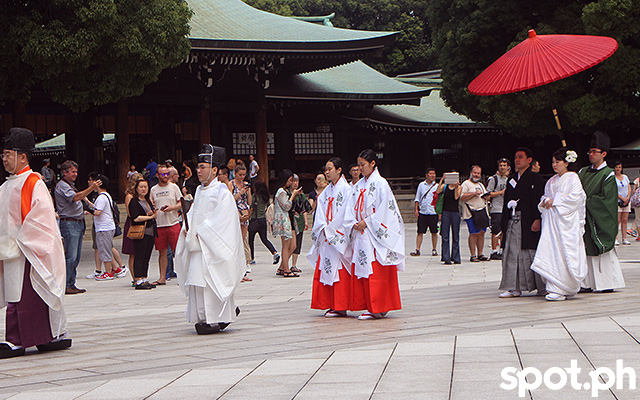
From there, you can stroll down Omotesandō and spend some time shopping in the many boutiques in Harajuku. Don’t forget to treat yourself to an order of crepes. There are several stalls in the area serving this snack of French origin which has become popular in the area. Gindaco, one of Japan’s famous takoyaki chains has a branch at the end of Omotesandō near the train station.
You can walk to Shibuya via Cat Street; but if you’re not in the mood for any more walking, head back to JR Harajuku Station, preferably through Takeshita-dori—a narrow street lined with all kinds of shops imaginable. If you’re into Tokyo fashion, this is a wonderland for you. At the end of Takeshita-dori is JR Harajuku Station, hop on towards JR Shibuya, which is just one station away.


Once you’re at the station, make sure you exit through the Hachikō Gate, which will lead you directly to tiny Hachikō Park and what is probably Tokyo’s most photographed statue. Take a few shots of the tribute to the beloved doggo before turning your attention to the mad scramble right in front of the station and park—the district’s most famous attraction, Shibuya Crossing.


We know you wouldn’t be able to resist taking loads of photos, selfies, and videos, but be mindful of the traffic light. You don’t want to get caught doing finger hearts as the light turns green and cars start honking at you.
Once you’ve gotten through the mad scramble to the other side, you’ll find yourself in Shibuya Center-gai, the heart of the district. You can spend the rest of your day in this area and not run out of things to do—from shopping in its trendy shops and eating in its innumerable restos and cafés.
Still in the mood for some late afternoon or evening walk? Head out to nearby hip and trendy Shimo-kitazawa, one of the best places to go bar-hopping in Tokyo.
Our recommended dining spots in Shibuya are the legendary Matsukiya, which only has two items on its menu—sukiyaki and shabu-shabu; Gyūkatsu Motomura for some sinful gyūkatsu or deep-fried breaded beef cutlet; and Narukiyo, if you’re up for a memorable izakaya experience.
Day 2: Tsukiji, Ginza, and Odaiba
Start the second day by skipping breakfast at the hotel. Don't be tempted either into buying snacks at the nearest konbini (convenience store). Instead, get your first meal of the day in one of the best places in the world for a food crawl, Tsukiji Fish Market. You can easily have breakfast and lunch there and still crave more food.
Make your way to Tsukiji Uogashi, a complex that’s home to about 70 stalls selling seafood, produce, and kitchenware, all of which used to operate in the old Tsukiji Market that is now in Toyosu. Don’t miss out on the maguro-yaki, those cute tuna-shaped pancakes filled with sweet beans; tamago-yaki or sweet and savory rolled omelets on a stick; the freshest sashimi; an endless variety of sushi; and ebi-katsu sando or deep-fried prawn sandwich.
To get to Tsukiji Market, take a train on the Hibiya Line on the Tokyo Metro and hop off Tsukiji Station.
If your entire morning is spent eating, you can spend the rest of the afternoon shopping at Ginza, Tokyo’s answer to Paris’ Champs-Élysées or Rome’s Via Veneto. Don't worry if you're on a budget as it also has a string of mid-range to more affordable shops.
The area is also known to have some of Tokyo’s best but more affordable restaurants, such as Shimbashi and Yūrakuchō, which have their own stops on the JR Yamanote Line. You can easily find quaint and modestly priced restaurants under the elevated railroad tracks.
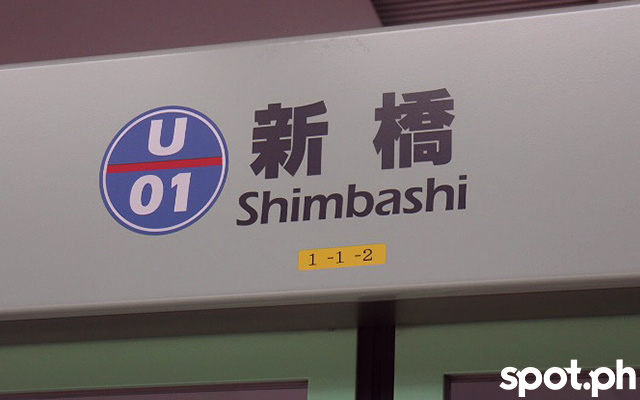
JR Shimbashi Station is also your gateway to Odaiba, where you can watch the sunset over Tokyo Bay from Odaiba Kaihin-kōen or the terraces at Aqua City Mall.
The train ride to Odaiba is a joy in itself. From Shimbashi Station, change to the Yurikamome Line—Tokyo's first fully automated transit system (read: No drivers required). Make sure you sit right at the very front where you can pretend to "drive" the train through skyscrapers, under the Rainbow Bridge, and over Tokyo Bay.

Most of the best attractions in Odaiba are indoors. If you only have a few hours to spend here, you’ll do well to spend what little time you have at teamLab Borderless (Aomi Station, Yurikamome Line).
Since teamLab Borderless opened in 2018, it has quickly become one of Tokyo’s most popular tourist destinations with its 60 interactive installations providing visitors endless opportunities for Instagrammable shots. Buy your tickets in advance and avoid wearing skirts or high-heeled shoes.

End your second day with a visit to the massive 19.7-meter-tall Unicorn Gundam Statue in front of Diver City Mall (Daiba Station, South Exit, Yurikamome Line). It transforms into “destroy mode” four times a day at 11 a.m., 1 p.m., 3 p.m., and 5 p.m. Light shows take place every 30 minutes between 7 p.m. and 9:30 p.m.
Day 3: Tokyo Disney Resorts
Your entire third day can be spent either at Tokyo Disneyland or Tokyo DisneySea. We do not recommend doing the two parks in one day as they are both huge and always packed with visitors.
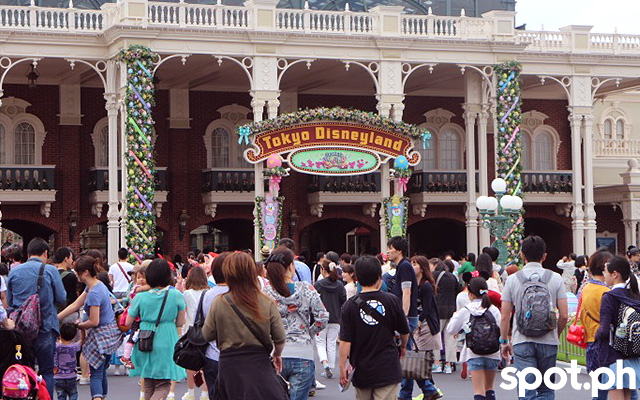
We suggest going to Tokyo Disneyland if it’s your first time at a Disney Resort and if you have very young kids in tow. The little ones would enjoy rides and attractions such as the Haunted Mansion, Star Tours: The Adventures Continue, Monsters, Inc. Ride & Go Seek, and the wistful Pooh's Hunny Hunt, which older fans of Pooh and his friends will relish just as much.
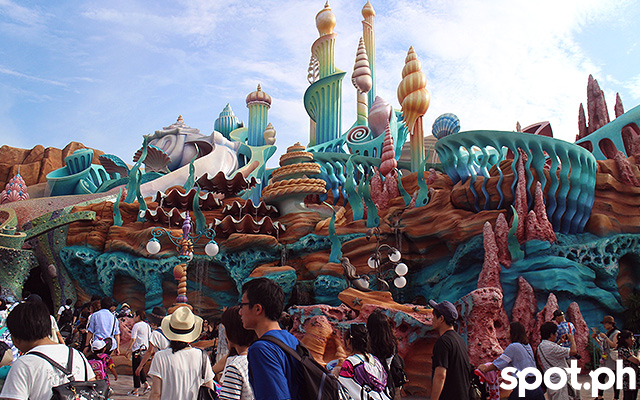
For those who have been to a Disney theme park before, we highly suggest Tokyo DisneySea with its underwater theme and castle—the striking Triton’s Palace—as its centerpiece. Older kids and teenagers are also likely to have more fun at DisneySea with thrilling rides such as Tower of Terror and Journey to the Center of the Earth.
Getting to Tokyo Disney Resorts is as easy as a stroll with Pooh and friends. With JR Tōkyo Station as your starting point, take either the Keiyo or Musashino Line and get off at Maihama Station. Total travel time from JR Tōkyo is about 20 minutes.
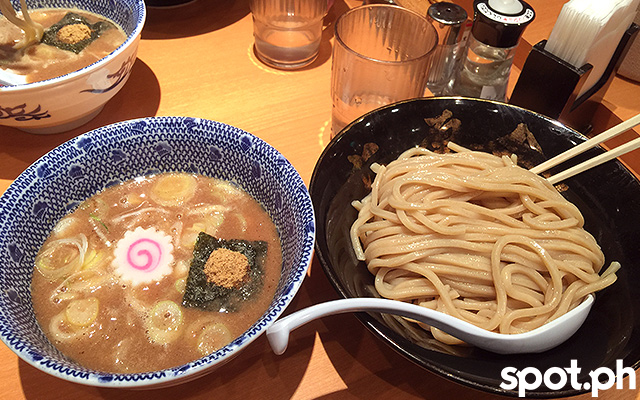
For dinner, wait until you get back to JR Tōkyo station where there is the famous Tokyo Ramen Street on the basement level. True to its name, this underground strip has plenty of ramen stalls to choose from, but we highly recommend having an order of tsukemen at Rokurinsha, one of the best of its kind in the world. The lines are almost always long so make sure you pack in a bit more patience.
Day 4: Ueno and Asakusa
After a tiring day at a theme park, it would be great to relax and go on a peaceful stroll around what many consider Tokyo’s loveliest garden, Rikugi-en, which is only a few minutes on foot from JR Komagome Station.
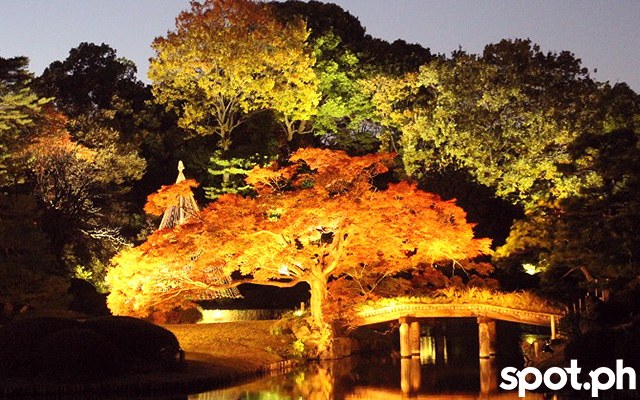
Rikugi-en is a perfect example of a classic Edo-era strolling garden, designed to evoke your senses—from gently swaying trees to the calming rush of water in a stream. The garden has 88 viewpoints that reflect famous vistas found in Japan and China.
After you’ve taken in as much of the beauty of Rikugi-en as you can, head back to JR Komagome Sation, hop on a Yamanote train to JR Ueno Station, which has the sprawling Ueno Park just outside.
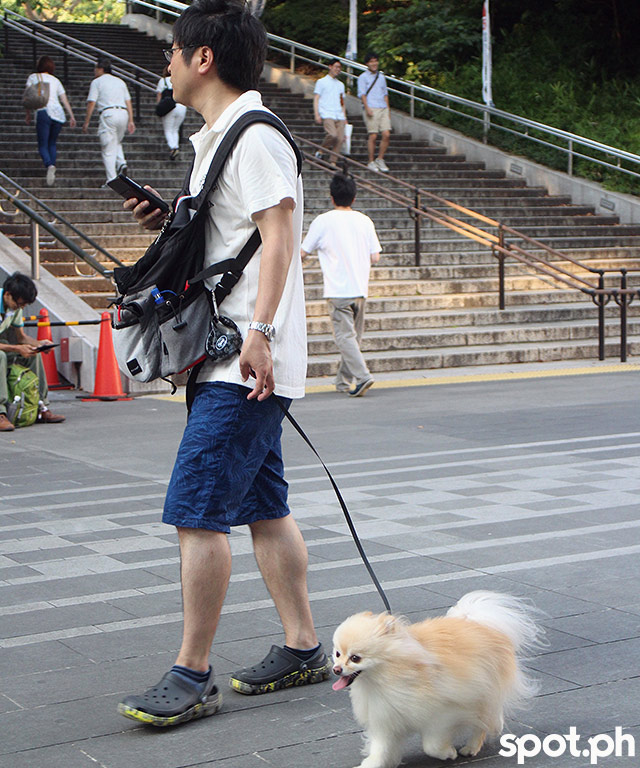
Though not as pretty as Rikugi-en, this park is well-loved among locals and it has more than enough sights to keep tourists happy. You don’t even need to stray far from Ueno Park to find something to do as the park is home to Tokyo National Museum, the National Museum of Nature and Science, and Ueno Zoo, Japan’s oldest.
Once you’ve visited any one or two of the best Ueno Park has to offer, you can have a bento for lunch at Innsyoutei, which is popular for its fancy kaiseki-style (multi-course) meals. After lunch, you can have some matcha and traditional desserts at the adjoining teahouse.
You can spend the rest of your afternoon strolling around Asakusa. From Ueno, take the Tokyo Metro Ginza Line and hop off Asakusa Station and go through exit 1. From there, Tokyo’s oldest temple—even older than the city itself—is only a few minutes away on foot.
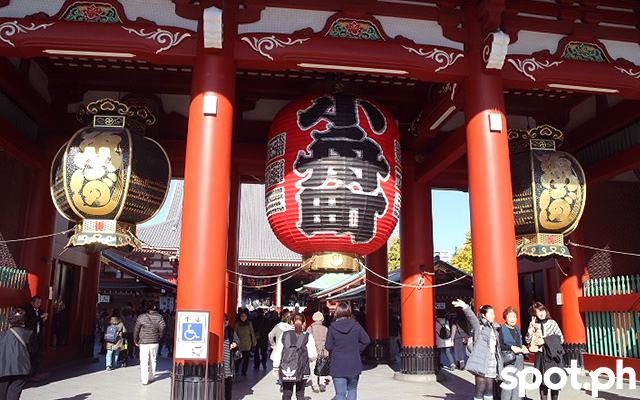
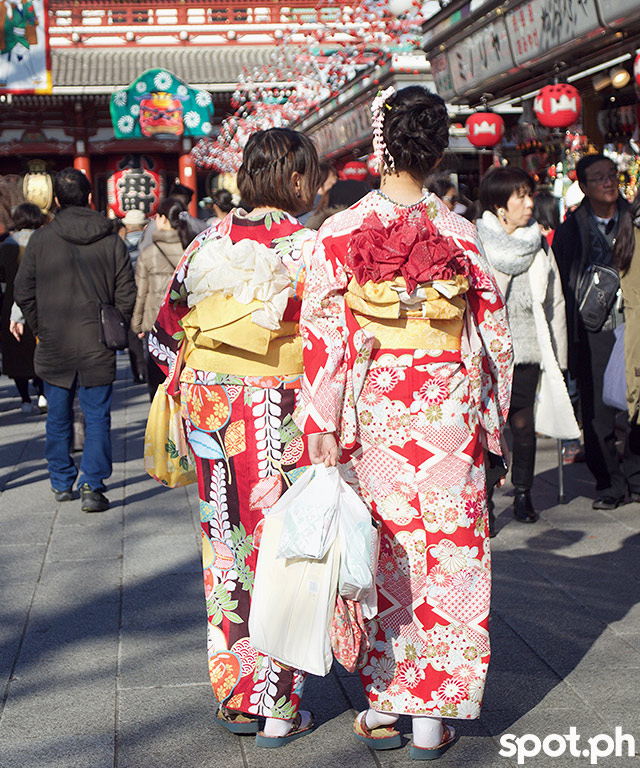
Sensō-ji is as iconic as it is crowded, so be sure to pack in a lot of patience as it’s always packed. Don’t even think of having your solo shot taken with the gigantic chōchin or lantern by the entrance. Beyond the red kaminari-mon (thunder gate) is Nakamise-dōri, a shopping alley within a temple compound with stalls selling everything from toys to snacks, masks to souvenir shirts.
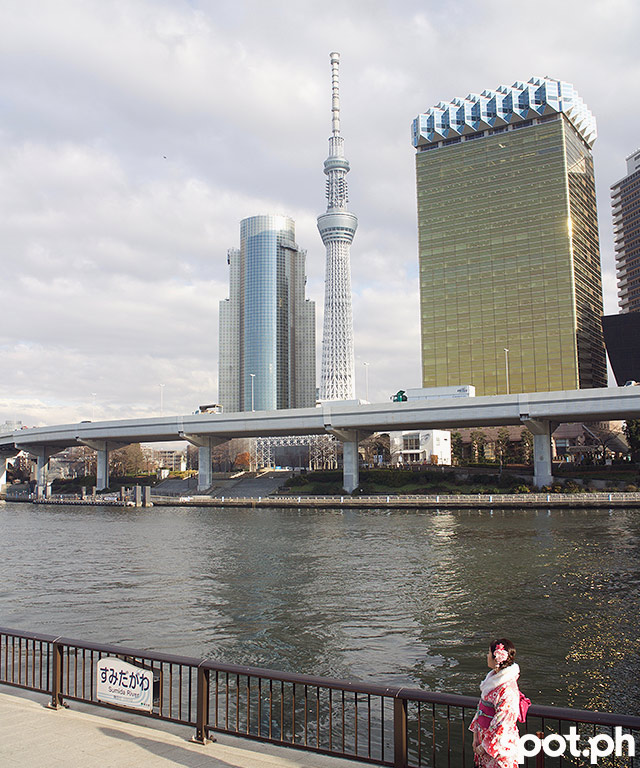
Pro tip: Before you head back to Asakusa station you may want to have a photo with the Tokyo Sky Tree, Sumida River, and the Asahi Super Dry Hall as the backdrop. Walk past the station to the river, and from the ferry station, make your way down to the promenade and take as many Boomerangs as you want sans the hordes of tourists. This area is usually quiet, with only the occasional street musician playing the harmonica or the violin breaking the silence.
Cap your second to the last day in the city formerly known as Edo at one of its more recent landmarks, the imposing Tokyo Sky Tree. To get there, just find your way back to Asakusa Station, get on the Tobu Skytree Line (local), and hop off the Tokyo Skytree Station.
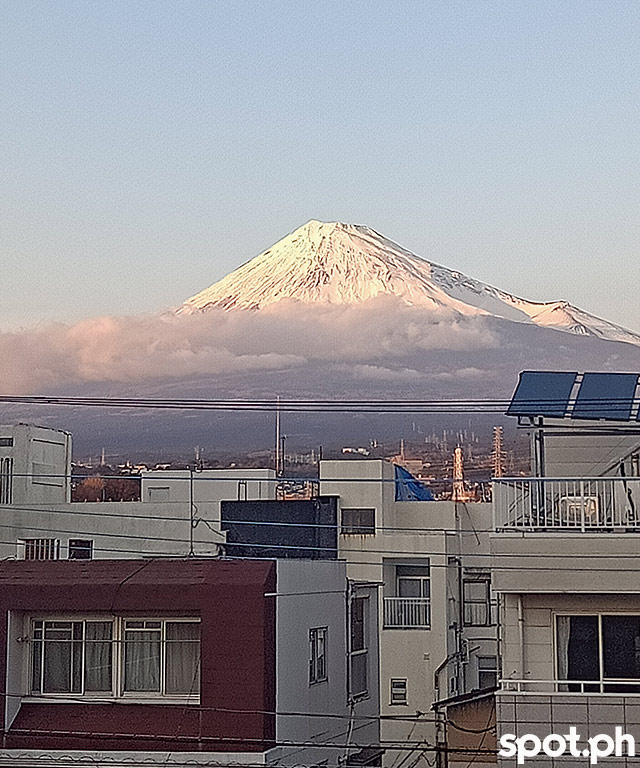
As in all sights that provide a sweeping, 360-degree view of the surroundings, it’s best to go up the Tokyo Sky Tree an hour or so before sundown so you can see the city lights slowly lighting up. At peak visibility and if the odds are in your favor, you can see up to 100 kilometers away, all the way to majestic Mt. Fuji.
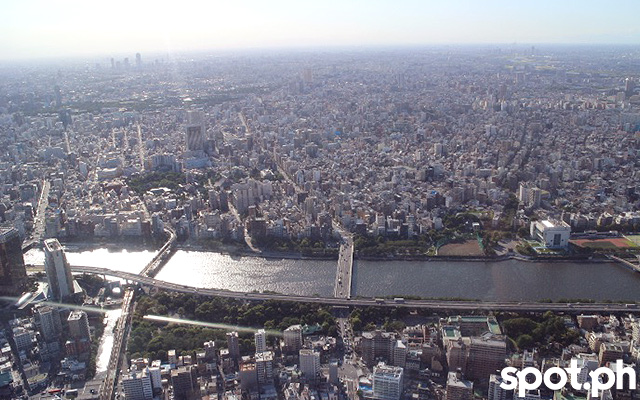
Opened in 2012, you can spend the rest of your day at the Tokyo Sky Tree, with its ever-frenetic Solamachi Mall at the base, which has its own excellent food court and supermarket in the basement.
Day 5: Mitaka and Shinjuku
Take a quick trip to the suburbs on your last morning in Tokyo and have a peek into what life is like in the greater metropolitan area.
A short train ride away from Shinjuku is the district of Mitaka, which is best known for being the location of the incredibly whimsical Ghibli Museum. Even if you’re not a fan of Hayao Miyazaki and Studio Ghibli, a visit to this one-of-a-kind museum is like a balm to the soul. Make sure to buy your tickets in advance as they’re quick to sell out. You can choose to walk about 20 minutes from JR Mitaka Station or take the bus.
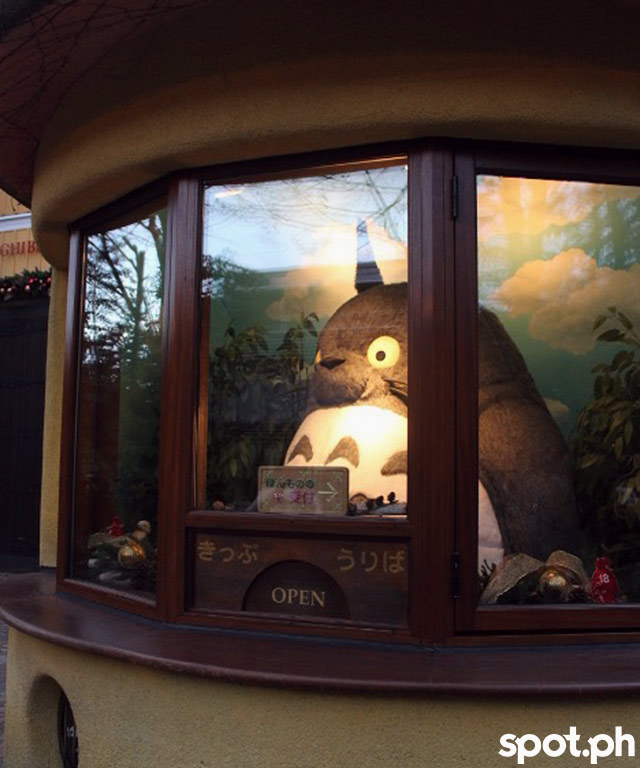
After immersing yourself in the Ghibli universe and before heading back to the city center through JR Mitaka Station, you can have a quick breather at Inokashira-kōen, an urban park with the picturesque Inokashira Pond in the center.
End your five-day Tokyo sampler in its busiest district, Shinjuku, an area known for its neon lights and crazy nightlife. This place, however, is also interesting during the daytime.
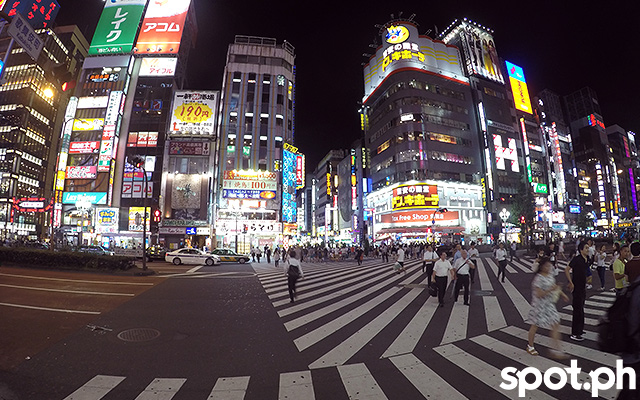
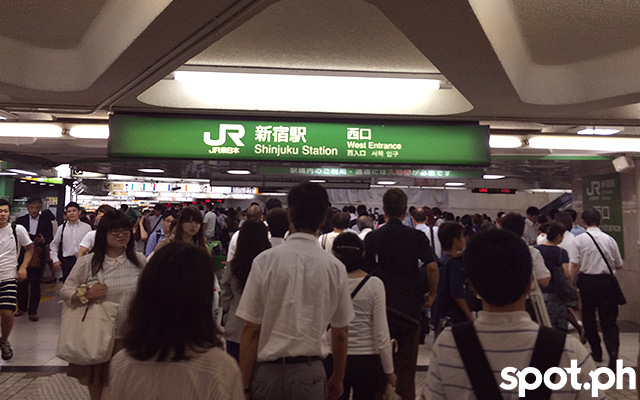
Once you’ve arrived at JR Shinjuku Station from Mitaka, take a deep breath first as you’re about to get sucked into one of the world’s biggest and busiest train stations, with over 200 exits and more than 50 platforms. So labyrinthine is this train hub that even locals themselves often get lost in its maze-like layout.
Head out to the skyscraper district, Nishi-Shinjuku, west of the station and make a beeline to the Tokyo Metropolitan Government Building and have one final bird’s eye view of the sprawling metropolis for free.

Close by is I-Land Public Art. If you have spare time and love art, swing by this office complex that houses more than a dozen public artworks, including two Tokyo Brushstroke sculptures by Roy Lichtenstein and stonework by Giulio Paolini at the open-air courtyard.
For lunch or snacks, find your way back to JR Shinjuku Station’s east exit, get out into the streets, and look for the atmospheric alleys of Golden Gai, a popular gathering place for creatives. This area, a concentration of tiny bars crammed wall-to-wall against one another, is lovelier at night but also pretty with the sun out. It’s a great place to go bar-hopping, but has some excellent all-day dining spots as well, such as what is considered the original Ramen Nagi branch.
Though quite different than the Ramen Nagi we’re used to, since its specialty is niboshi ramen (broth is flavored with dried sardines and may be too strong or fishy for some), it’s still worth a detour if only to experience what it must have been like to eat at ramen bars many moons ago.
Pro-tip: Back at JR Shinjuku Station, look for the pedestrian space of Miraina Tower. There you’ll find a pocket park with a cute statue of the Suica penguin mascot. This is an oasis of serenity amid the chaos of the station, where it’s just nice to sit back and watch the trains pass by.
Also read:
10 Cool Things to Do in Tokyo in One Day
10 Places in Tokyo for the Artsy Traveler