
SPOT.ph 50 Great Restaurants of 2024: Special Awards
Our dish of the year, most splurge-worthy menu, best under-the-radar gem, and more.
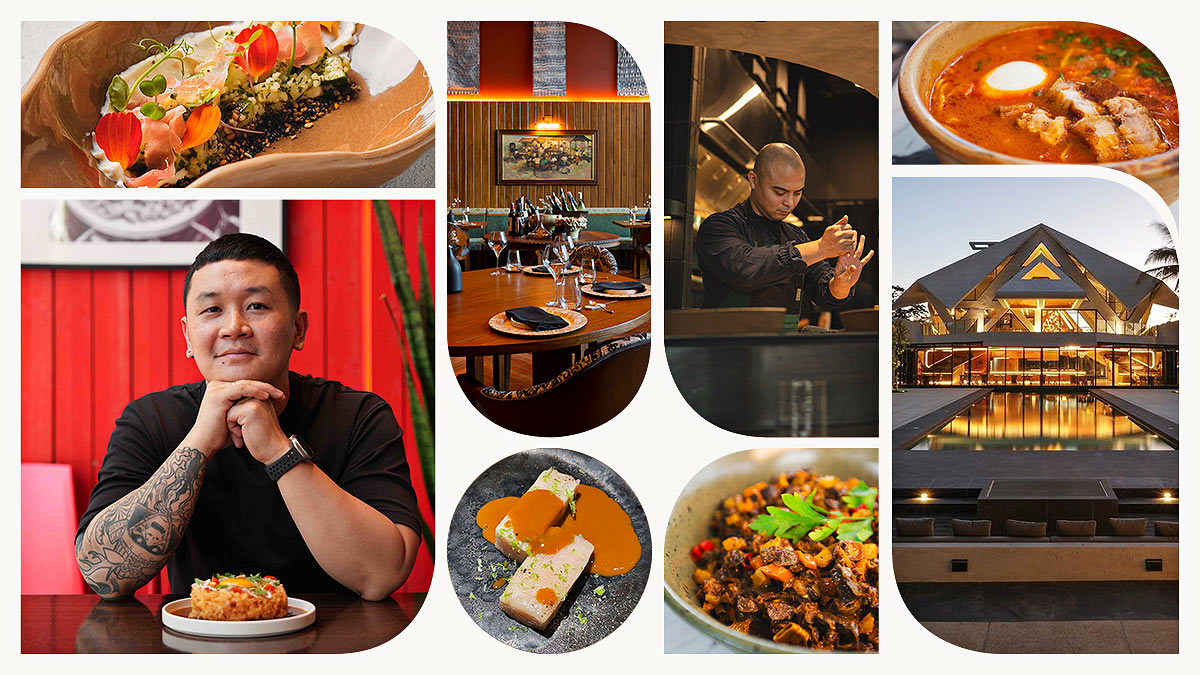
(SPOT.ph) Just as there are different restaurants for different occasions, price points, and hankerings, every restaurant is special in its own way—a principle we try to keep in mind in coming up with our annual 50 Great Restaurants list. Still, there are some standouts among the crop that deserve a special shoutout, for different reasons. Here, we recognize seven spots from our recently published list of the 50 Great Restaurants of 2024, and award them for their fortes across different fields.
Also read:
The SPOT.ph 50 Great Restaurants of 2024: Best of Manila and Beyond
SPOT.ph's 50 Great Restaurants—What You Need to Know
SPOT.ph 50 Great Restaurants 2024 Special Awards
Chef of the Year: Jorge Mendez of Modan and Some Thai
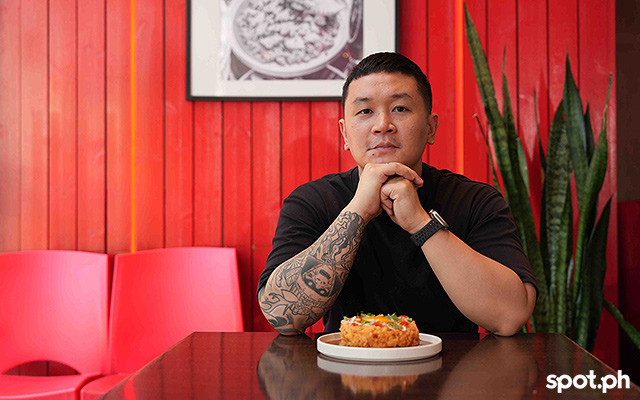
Chef Jorge Mendez has a fantastic way with flavor that we’ve seen across his different restaurants and concepts over the years. At Ohayo he makes a case for fun, modern Japanese that maintained principles of tradition; at Tadeo, he unites Filipino and Mexican elements into a whole more than the sum of its parts; at OK Bob, along with Chef Decker Gokioco, he wows tongues with spiced and soulful kebab dishes that have no shortage of impact. His neo-Japanese degustation spot Modan gave him the chance to showcase his skills in a high-caliber, fine-dining light—and he’s managed to craft tasting menus that are as eye-opening and innovative as it is easy for the Filipino tongue to relate to. And earlier this year, he opened Some Thai, where he takes on Thai cuisine in such a way that’s current, clever, experimental, and ultimately explosive.
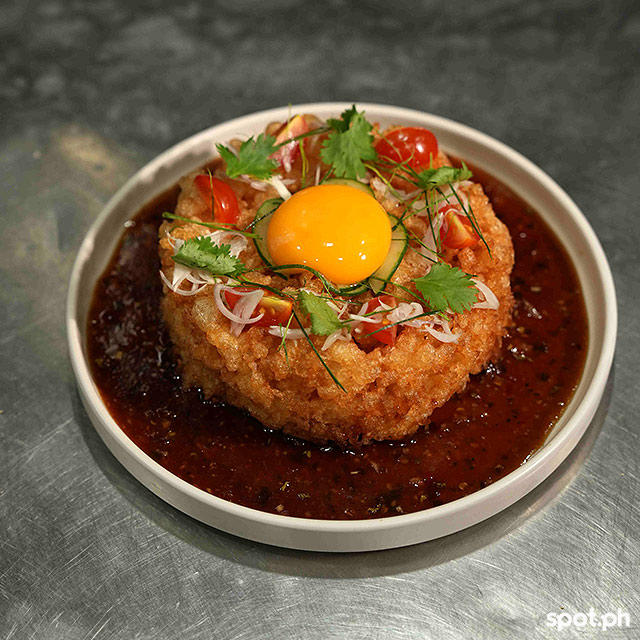
It seems that wherever he goes and whatever he sets on to do, Mendez finds a way to bring out a distinct personality in the cuisine or genre he’s tackling. It’s a fearless personality that’s unmistakably his.
Some Thai is at 195 Tomas Morato Avenue, Laging Handa, Quezon City.
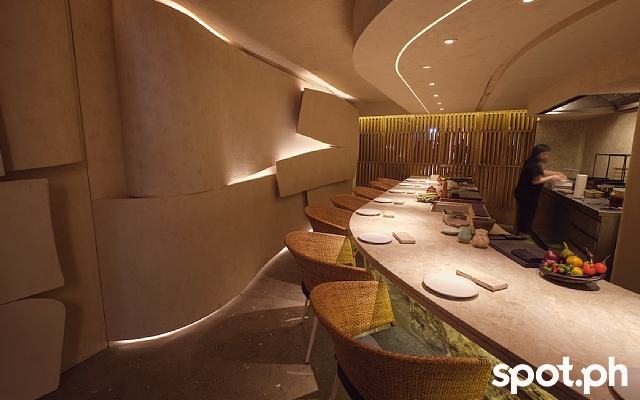
Dish of the Year: Inatô’s Swordfish Belly—and the Pinakbet that comes with it
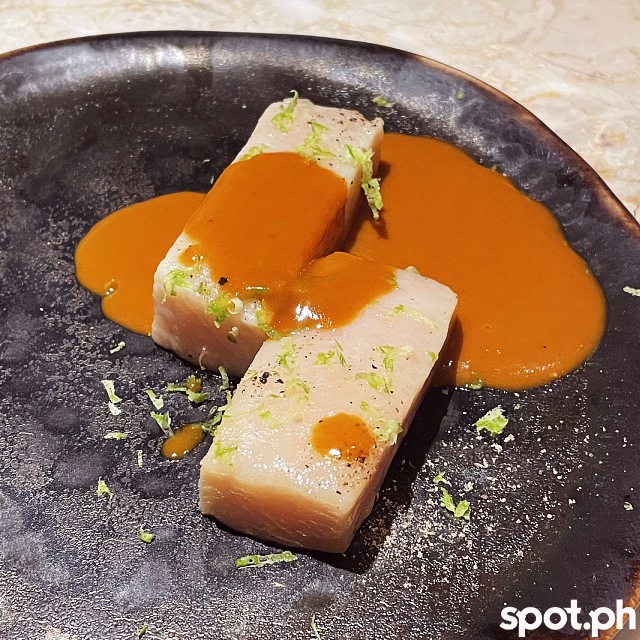
Toyo Eatery alumn Chef JP Cruz and his team have no shortage of experiences cooking and eating Filipino food, and this is reflected in Inatô’s menu. You’ll find both local and foreign ingredients on there, with flavor combos that are spunky in some parts, soothing in others, and overall distinctly Filipino. Embodying this beautifully is their main course of Swordfish Belly, where slabs of the fish are grilled just a touch on low heat while it’s brushed continuously with butter. The result: soft, succulent flesh that’s right on the cusp of being cooked—just enough to melt the fat in the meat. It’s paired with a sauce of roasted prawn heads, pineapples, tomatoes, and mango, which makes for subtly sweet, tangy, umami forkfuls.
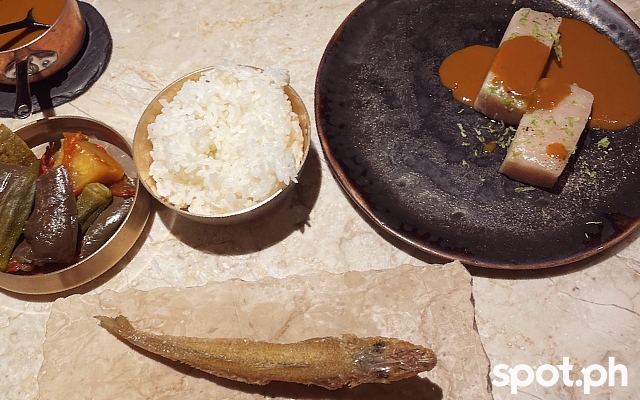
Bonus points for how you won’t leave here hungry; mains come with rice, fried asohos, and a palayok-ful of pinakbet on the side. This ain’t just any pinakbet either, but one with plenty of depth of flavor and more tomato-y tang than most, thanks to being slow-cooked in a palayok and shaken, not stirred (per Ilocano tradition)—it’s sadly not available for ala-carte orders, but we’d dare say even that alone is worth trooping over to Inatô for.
Inatô is at The Alley at Karrivin, Karrivin Plaza, 1231 Chino Roces Avenue Extension, Makati City.
Splurge-Worthy: Iai
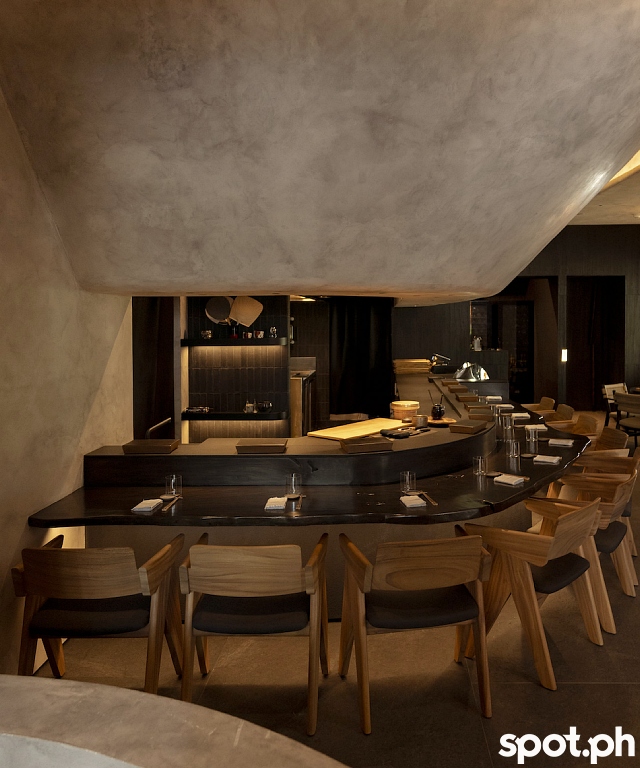
Mecha Uma’s closure was but a prelude to the next arc in Chef Bruce Ricketts’ career—an arc that materializes itself in the form of Iai in BGC. Low-key and intimate as the space may be, Iai is a study in silent grandeur. We see this in its _ interiors (spearheaded by Ricketts’ partner Jae Pickrell, with the help of Studio Ong) that weaves together Japanese and Filipino elements; and taste this in Ricketts’ Sushi Omakase which takes diners through six to eight otsumami, a nigiri course, fish entrées, a meat course, and dessert.
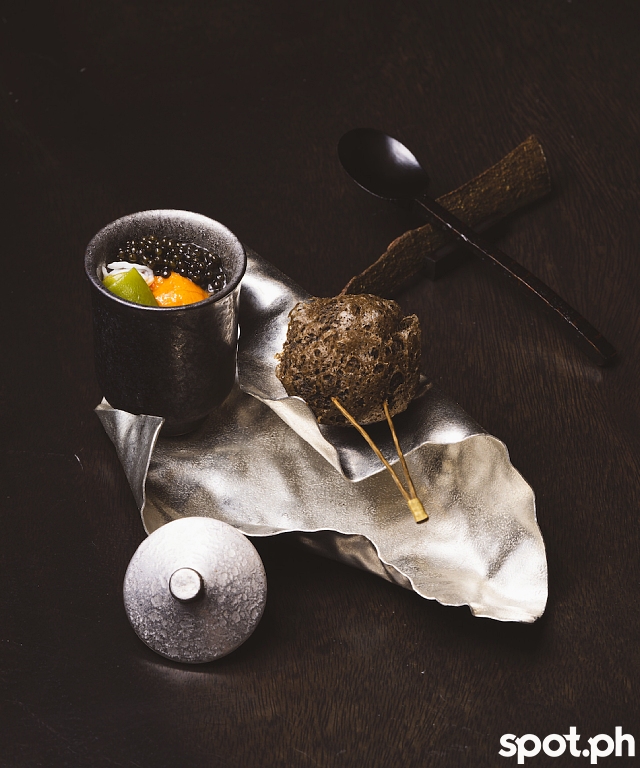
At P8,900 per pop for the full sushi omakase, it is admittedly a splurge, but one well worth it. Powering their plates are high-quality ingredients from Japan, the Philippines and elsewhere—oysters from Tayabas, scallops and uni from Hokkaido, samegerei (rough-scaled sole), bodbod (red mullet) from Basilan, dayap from Baguio, buttery shima aji and toro, and gamba roja from the Mediterranean sea, to name a few we got acquainted with on our visit. Ricketts works his magic and plays around with the said ingredients, going by the Japanese ethos of shokunin (loosely translated as devotion to one’s profession, and striving for perfection). There’s as much focus on proper technique (smoking, searing, making sushi, and so on) as there is playfulness in flavor combos and willingness to venture into uncharted territory—all so as to bring out the best of the ingredients they’re using.
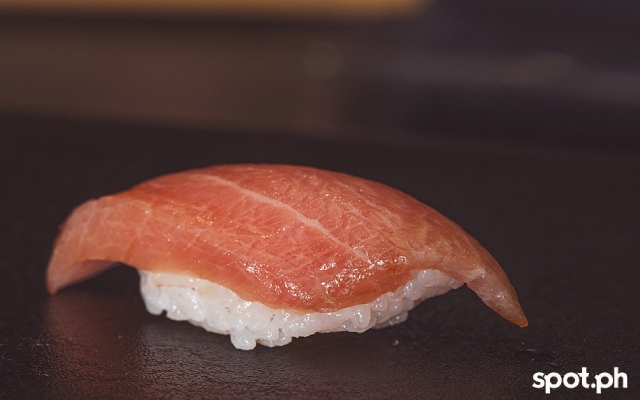
Alternatively, there is a five-course Kappo Omakase (P4,500/person) that’s shorter and sweeter, available from their main dining area.
Iai is at G/F The Montane, 8th Avenue corner 35th Street, Bonifacio Global City.
Must Travel To: Asador Alfonso
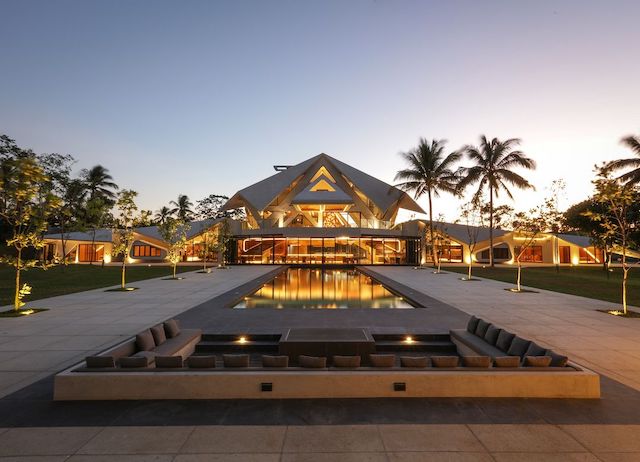
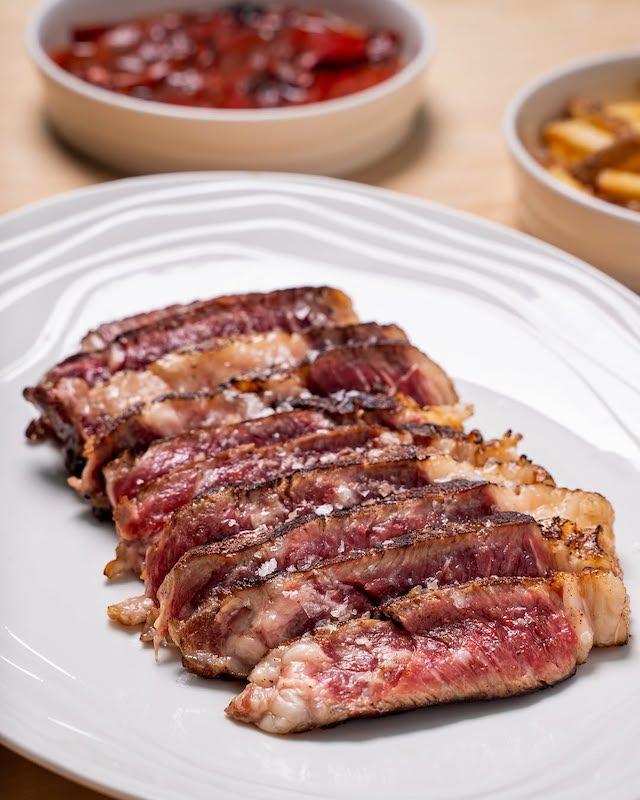
Like the asadors in Spain, the asador of Asador Alfonso is built on a vast farmland, specifically the 9.4 hectare property in Alfonso, Cavite owned by the Calma family. The restaurant is run by the acclaimed chef Chele Gonzalez and executive chef Rodrigo Osorio, and it serves only top caliber meats and seafood: the sweetest piece of Spanish red prawn, A5 Japanese wagyu jamon that melts in the mouth, umami-packed slivers of cured pork jaw, and a spectacular slow roasted Spanish suckling lamb. The structure that houses the dining spot is equally world class, dreamed up by the creative maverick Carlo Calma. A true architectural feat, it can easily seem origami-inspired but is actually Calma’s nod to the shape of its marvelous neighboring attraction, the Taal volcano. Seeing it at dusk, the structure is quite a sight to behold.
Asador Alfonso is in Alfonso, Cavite.
Most Beautiful: Hapag Rockwell + Ayà
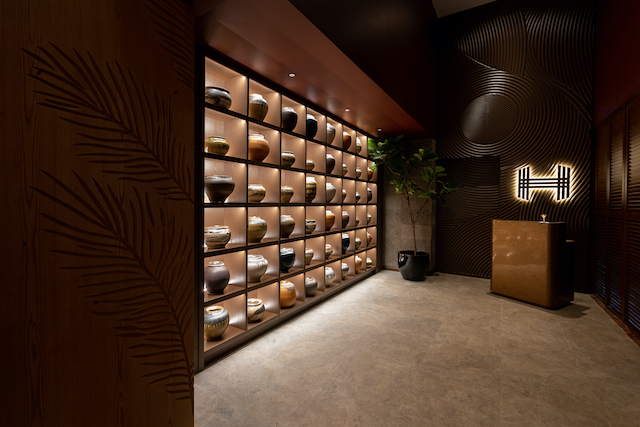
With roots as a low-key dining spot along Katipunan, Hapag was the little restaurant that could. Oh, they have come a long way, particularly this year as they made the big move to the urbane district of Rockwell, specifically on the seventh level of Balmori Suites. In doing so, they’ve also made the decision to take on a more mature role, evident in their space hat’s a product of the collaboration between local design talents—among them Liza Morales of Ecotecture Design (for the technical bits of planning and constructing the spaces, and artistic parts like the Banaue Terraces wall art at the reception area), and Isabel Lozano and the team of Decorum by MIL (for the custom furniture, finishing touches like the foliage, and equipment design).
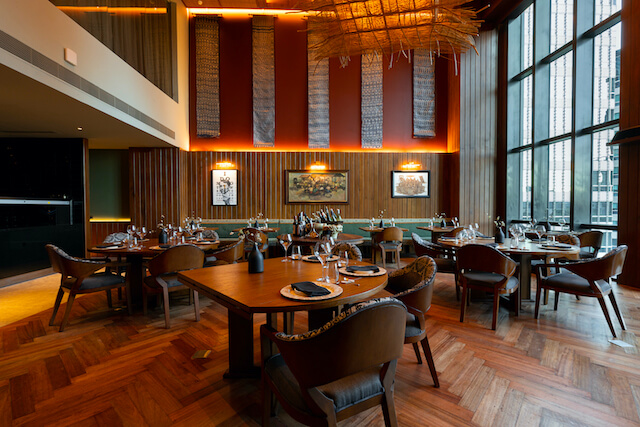
Hapag Rockwell elicits wows the moment guests step out from the elevator. You’re greeted by a floral arrangement, behind which is a giant door with the H logo in brass. Push through and you’re met with a wall displaying Filipino handcrafted vases in collaboration with ceramic artist Mia Casal, who also did their serving vessels. The restaurant proper is past the second door—a space that, for starters, is significantly larger than its predecessor. Its dim lighting and high ceiling makes for a plush and elegant feel that elicits oohs and ahhs. Yet it retains its Filipino identity—heck, it puts it at the forefront—with elements like indigenous textiles, gold and brass tones, adobe walls, wood parquet floors, and a sculptural light installation (a design collaboration with E. Murio) hanging from the ceiling. Taken all together, they make for a most fitting backdrop that’s at once astonishing yet homey, as you dive into Hapag’s tasting menu that makes Filipino flavors their own.
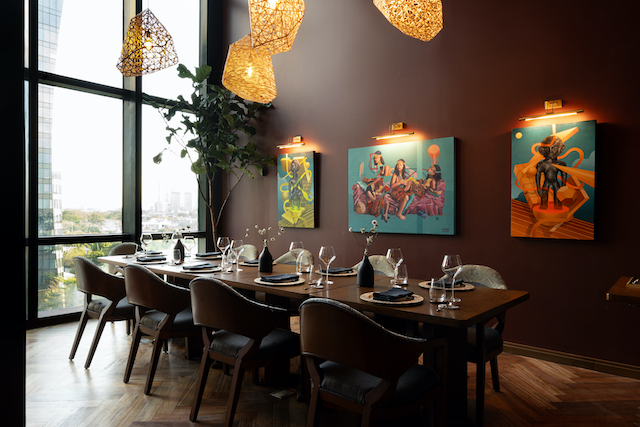
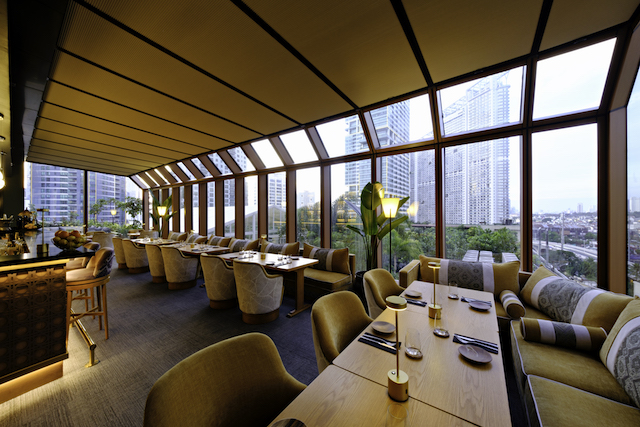
The allure of Hapag continues as you go up the staircase. On the second level you’ll find the Katipunan room—Hapag’s private-dining room that follows the look of their Katipunan home, its walls decked with artwork depicting memories from that era. It’s also here that you’ll find Ayà, Hapag’s chic bar area that’s a great place to pop by for cocktails and savory bites to match. The local motif continues here as well, with its design that’s meant to pay tribute to Filipino emblems like Capiz windows and solihiya patterns. Ayà is especially breathtaking at night, what with its glass windows that give you a peek at the Makati skyline.
Hapag is at 7/F The Balmori Suites, Hidalgo Drive, Rockwell Center, Makati City.
Under the Radar: Trining's
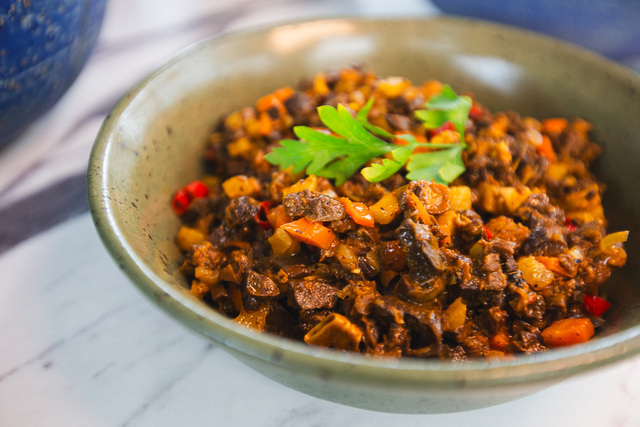
It’s all the way in Marikina but folks like Leni Robredo, Dodot and Mikee Cojuangco, BenCab and wife Annie, Agot Isidro and the late great Floy Quintos have all made their way to Trining’s, the home of Filipino food in Marcy Country. It’s Filipino food with an Ilocano bent, however—inspired as it is by the chef-owner’s Ilocano lola, the hardworking matriarch Trining who was a tailor, farmer and the best cook in the family.
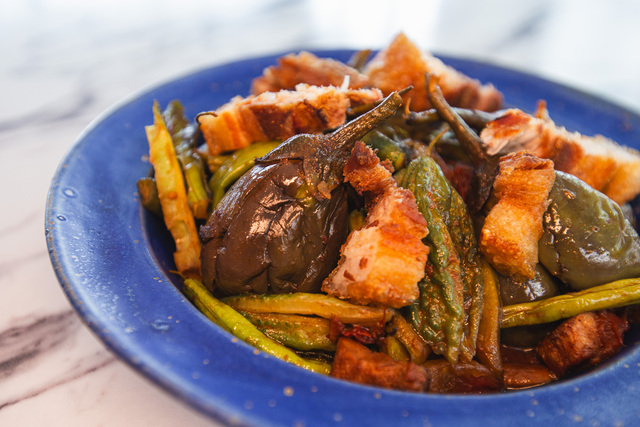
Two of the best dishes in the Trining’s menu were done according to her style and taste: Trining’s Pakbet Ilocano (does not include kalabasa, alamang or onion, just the way Trining cooked it for the family) and Trining’s Miki (which uses noodles the kitchen makes from scratch, just like they used to have it in Ilocos). Located in the quiet stretch of Gil Fernando Avenue, where other purveyors of comfort fare can be found—JT’s Manukan is a few steps away, as well as Miguel and Maria; Pancake House is down the corner, and Marikina-born Filipino restaurant Comedor is just across—Trining’s may not be the easiest to spot but it’s sure worth the drive.
Trining's is at L12, B3, G. Fernando Avenue, Marikina City.
Best Value for Money: Kas & Poly
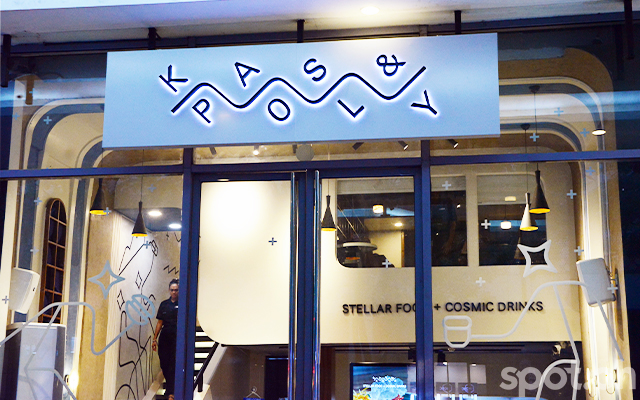
Tasting menus are no longer the obscure or niche interest they used to be, but they can still feel out of reach—be it for being too conceptual, or simply too expensive. Brought our way by Gemini Food Corporation, Kas & Poly sits on the sweetest spot between being elevated, and still accessible to the curious. The 12-course Zodiac Dining Menu hits on the public’s fascination with the vast subject of astrology, with each item on the lineup representing zodiac signs interpreted in playful ways: duck jus pasta over a squid-ink sand bed and topped with fried leeks represents the intense and passionate Scorpio sign; chelo kebab crumble with a chimichurri-like cashew emulsion and shimeji mushrooms symbolizes Taurus the bull; a surf-and-turf combo of grilled octopus and seared Iberico pork atop creamy parmesan polenta represents the Greek twins Castor and Pollux that make up Gemini. It isn’t dirt-cheap at P4,200—for some this would be reserved as a payday or 13th-month treat. But considering the quality (there are premium meats, seafood, and a balanced amount of carbs), the fair portions (you won’t be overly stuffed but you def don’t leave hungry), the creativity of the team (some of the combos here are unexpected yet surprisingly work), the ambience of the place (go ahead, bring a date you’d like to impress here), and the well-thought out dining experience delivered, it’s a very reasonable price point.
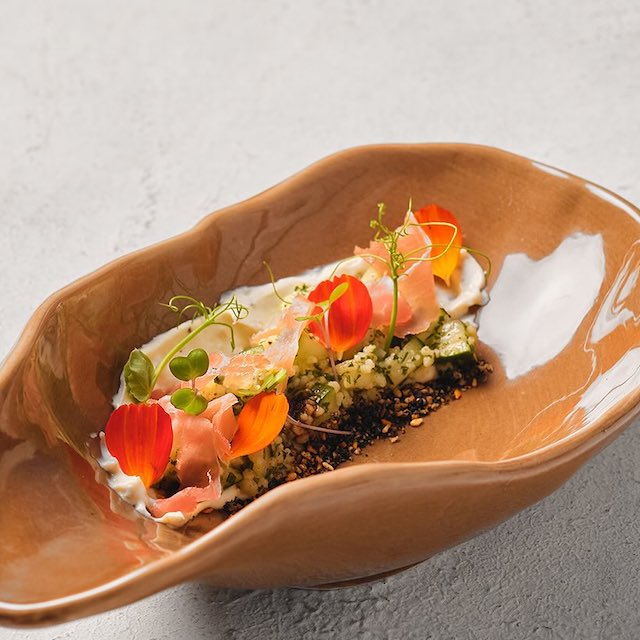
In case that’s still steep, they have more affordable options: the Big 3 Menu (P1,950) with five courses from the full Zodiac menu; and the Cosmos menu (P2,250) with five courses that are completely plant-based. A separate menu of ala-carte Mediterranean plates (in bigger portions that are good for sharing!) are available as well.
Kas & Poly is at Unit D W Global Center, 9th Avenue corner 30th Street, Taguig City.
Also read:
Chef Jorge Mendez Reveals the Secret Ingredient to Making Food People Love
The SPOT.ph 50 Great Restaurants of 2023: Best of Manila and Beyond