
10 Hidden Gems in Mindanao You Should Visit At Least Once
Time to explore Southern Philippines.

(SPOT.ph) War and chaos—these are the first words that come to mind for almost everyone when one hears about Mindanao. The stigma comes from armed conflict that simmered across several generations, primarily because of its people's clamor for justice following decades of state violence.
There just seems to be so much going on in Mindanao that, from an outsider’s perspective, it’s hard to imagine a peaceful and relaxing vacation. But the island actually boasts a dozen precious hidden gems that are waiting to be discovered by local and international tourists alike.
Also read:
10 Hidden Gems in the Bicol Region You Should Visit At Least Once
10 World-Class Dive Spots in the Visayas You Shouldn’t Miss
Here are the secret spots in Mindanao that you should not sleep on:
Dinagat Islands
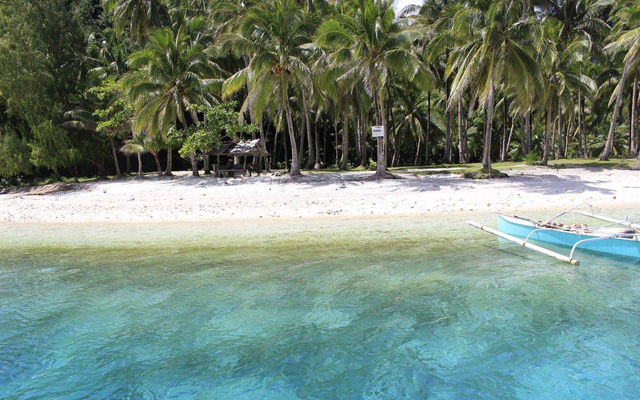
Found in the northeasternmost part of Mindanao is a group of islands called Dinagat Islands. This emerging attraction, although relatively more underrated versus its now popular adjacent island Siargao, is home to tons of interesting spots that are brought about by nature. This part of Surigao del Norte has some of the most impressive secluded beaches, caves, waterfalls, and mountains.
One is Lake Bababu, which contains both saltwater and freshwater and has a 650-meter-long and 2,200-meter-deep underwater cave that connects divers from the lake to the open sea. To relax, you might want to lounge at Bitaog Beach and Cabacungan Cove. Other famous islands in this group are Pangabangan Island, with a tidal pool and blue lagoon, and Hagakhak Island, with astonishing rock formations.
White Island (Camiguin)
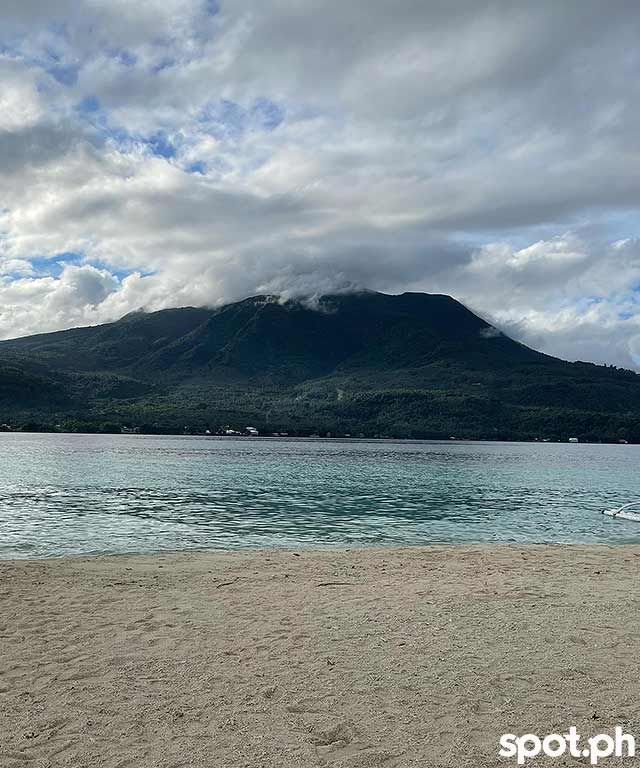
Now we move to another island to the west of Dinagat Islands. Often branded as the Naked Temptress due to its stunning white and powdery sand and clear blue waters, White Island is a sandbar off the coast of Camiguin that emerged due to shifting tides. This boomerang-shaped island changes its form throughout the year depending on the tides.
From White Island, you will see the panoramic view of Mount Hibok-hibok, one of the seven volcanoes of Camiguin Island (also known as the Island Born of Fire). Other activities you can do around here include snorkeling or simply just sunbathing while reading a book.
Enchanted River (Hinatuan, Surigao del Sur)
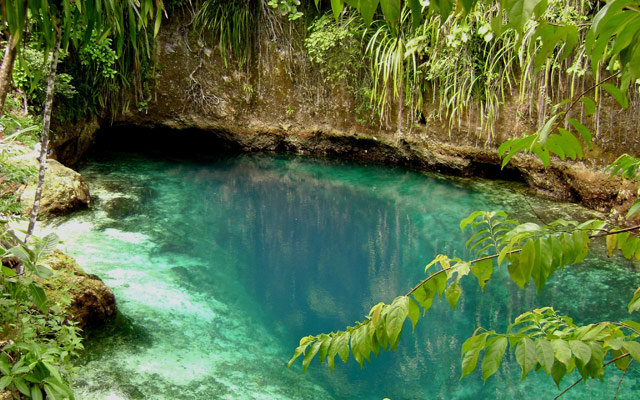
Going further down south to Surigao del Sur, you will come across a captivating body of water. True to its name, the Enchanted River is nestled in Hinatuan town and has the famous bluest colors. The river’s length is 290 meters and then opens up to an estuary where the spring water from the river meets with the salt water from the Philippine sea. But its depth is still utterly unknown. Even with diving expeditions made in the past, it is still unclear what lies at the bottom part of the river because divers found an opening to an even deeper underwater cave on the river floor. To preserve its original state, the only designated area for swimming is the spot 10 meters away from the main pool.
Maria Cristina Falls (Iligan, Misamis Oriental)
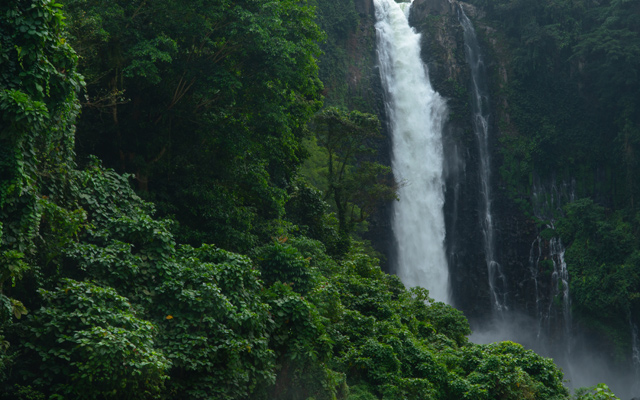
The 320-foot Maria Cristina Falls is the most popular waterfall in the country. The site is also known as the Twin Falls because, according to the legend, Maria and Cristina are beautiful twin sisters who fell in love with the same man.
Running along Agus River, the flow is separated by a rock at its fall, creating a marvelous synchronous drop. Not only is this place a sight to behold, but it is also a great energy source, with the National Power Corporation starting to harness its power in the 1950s. It generates sustainable hydroelectric power and supplies 70% of Mindanao’s electricity. Swimming is strictly prohibited here, but you can fully enjoy the view by having a picnic by the river.
Monastery of the Transfiguration (Malaybalay, Bukidnon)
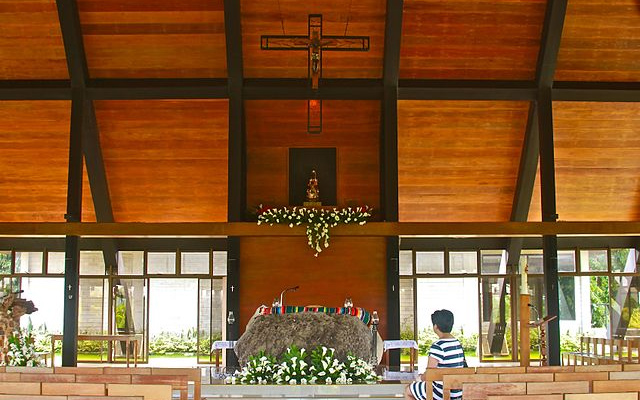
Perched atop a hill in Bukidnon is the Abbey of the Transfiguration, home to the Benedictine monks and the top choice of the pilgrims for their Holy Week retreat. The pyramid-shaped church was designed by National Artist for Architecture Leandro Locsin, inspired by the bahay kubo, and was inaugurated in 1983. The altar in the church is made from a huge boulder, and the pulpit is made of polished wood. Above the altar is where you will find the miraculous gold and black statue of the Black Madonna, which came all the way from Egypt.
Pink Beach (Zamboanga City)
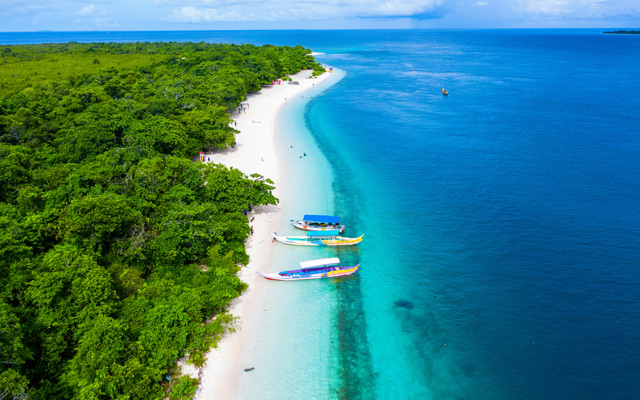
How on earth can you have a pink beach? Apparently, there are few pink beaches in the world, and one of them is the Sta. Cruz Island in Zamboanga. Voted as one of the best beaches in the world by National Geographic, the 3,425-hectare marine reserve produces pink sand due to the mixture of the pulverized shells of the dead red organ-pipe corals that are washed ashore and the white sand.
The area is composed of two islands, with the Great Sta. Cruz Island open to the public, and the Small Sta. Cruz Island only accessible to the military. The island has a small inland lagoon, abounded by mangrove trees. Some things you can do here include sunbathing, snorkeling, scuba diving, mangrove touring during high tide, and exploring the sandbar at low tide.
Mount Apo (Davao City)
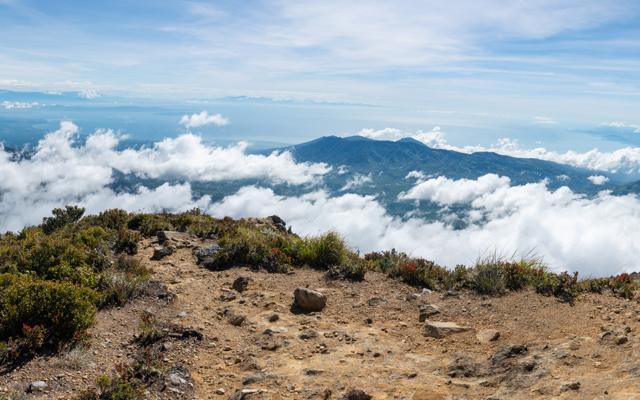
In addition to housing the national animal of the Philippines, Davao also has the location of another national natural treasure. Mount Apo, locally known as Apo Sandawa, is a huge solfataric, dormant flat-topped stratovolcano with three peaks. The southwest peak has the highest elevation and has a lake inside its wide crater. Considered the highest peak in the country, the mountain rises over 2,956 meters above sea level and covers Davao del Sur and North Cotabato. Hikers follow the challenging Kidapawan-Magpet Trail to reach the summit. But the journey is as important as the destination, so learn to enjoy the entire trek.
As you go along, you will come across Lake Agno and Mabel River before taking a dip at the hot springs and reaching the rest at the campsite. You will also see Lake Venado, a swamp with pine trees. Because of its significance, Mount Apo is a protected area tagged as a Natural Park of the Philippines.
Samal Island (Davao del Norte)
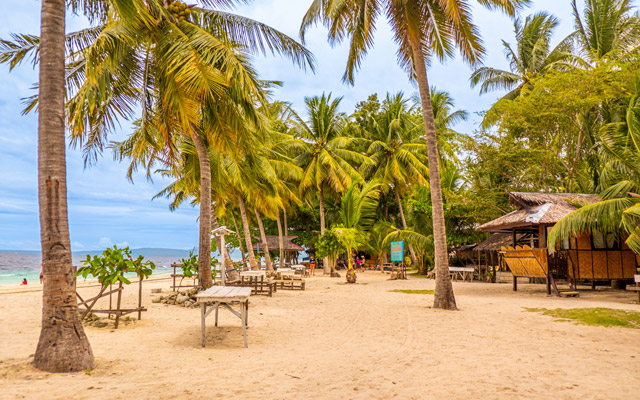
What if we tell you you can get a breathtaking view of the beach just 20 minutes from Davao? Yes, you heard that right. The Island Garden City of Samal, which consists of Samal Island and the smaller Talikud Island, is one of the most accessible beaches in the whole country.
The developments in the area were initiated because of RA 8471, signed by former President Ramos, to create the city as a result of the merger of three municipalities of Babak, Samal, and Kaputian. Since then, Samal Island has become the largest resort city with over 150 beach and inland resorts and attractions, including the must-see Pearl Farm Beach Resort.
The allure of this island is its compact collection of white-sand beaches, crystal-clear waters, and captivating peaks. Put Kaputian Beach, Vanishing Island, and Talikud Island at the top of your list. If ever you get tired of the blues, you can opt to see the greens by trekking at Mount Puting Bato, Anggas Peak, and Labuto Peak. You will not regret visiting Samal Island because it’s the best tropical getaway from the city.
Dahican Beach (Mati, Davao Oriental)
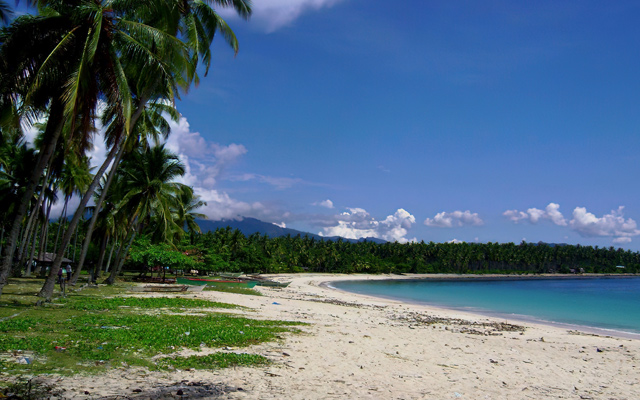
Looking for a surfing spot, but Siargao’s a bit too crowded for your liking? There is another beach in the south, which is an unspoiled slice of paradise with its powdery white sands and pure blue waters.
Dahican Beach in Mati is relatively unknown to visitors but is a famous getaway spot among the locals. It has a 7-kilometer stretch of crescent-shaped coastline and is surrounded by luscious coconut trees. Dahican comes from the word "dahik," which describes the act of the protected seat turtles when they emerge from the sea to nest. As untouched as it may seem, you can still enjoy many activities such as swimming, surfing, flying on an ultralight plane, and visiting the Sleeping Dinosaur viewpoint. The establishments in the area prefer to keep the tranquility and serenity of Dahican, which is why the beach is perfect for backpackers and surfers.
Lake Sebu (South Cotabato)
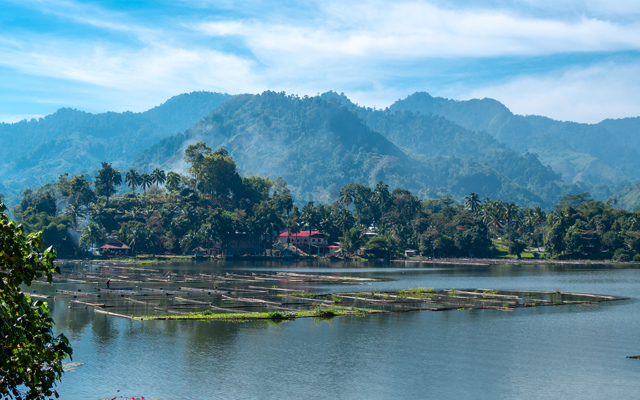
Not only home to various indigenous tribes such as the Tirurays, Ubos, Manobos, and T’bolis, Lake Sebu is one of the most beautiful lakes in the country and was hailed as a UNESCO cultural landscape. The breathtaking scenery of the lake can be attributed to the flawless mix of its tranquil waters and floating fresh lotus flowers against a sunset backdrop.
Located in the southernmost part of the region, it is also considered a major watershed and irrigates the provinces of Sultan Kudarat and South Cotabato. To immerse in this gem even more, some activities available here include cruising across the lake, bird watching, spelunking, and ziplining. Likewise, you can learn more about the T’boli people, the dreamweavers, and the makings of the T’nalak fabric here.
How to get around Mindanao:
For travel within the city, there are many modes of transportation, such as jeepneys, buses, tricycles, cabs, and private cars. But for intracity trips, we suggest renting a car for a more comfortable ride.
How to get to Mindanao:
There are two options on how you want to go about ticking off these hidden gems off of your list. You can visit them when you have a scheduled visit to the city where these attractions are located, or you can do a whole Mindanao tour all at once. If you are doing the latter, we recommend establishing your home base in the major cities and then just having day trip travels across the region. You might want to stay in Davao, the third largest city in the Philippines, for your southern Mindanao leg, and in Cagayan De Oro, also a key city in the area, for your northern Mindanao leg. There are direct flights to these cities from Manila or Cebu.
Where to stay in Mindanao:
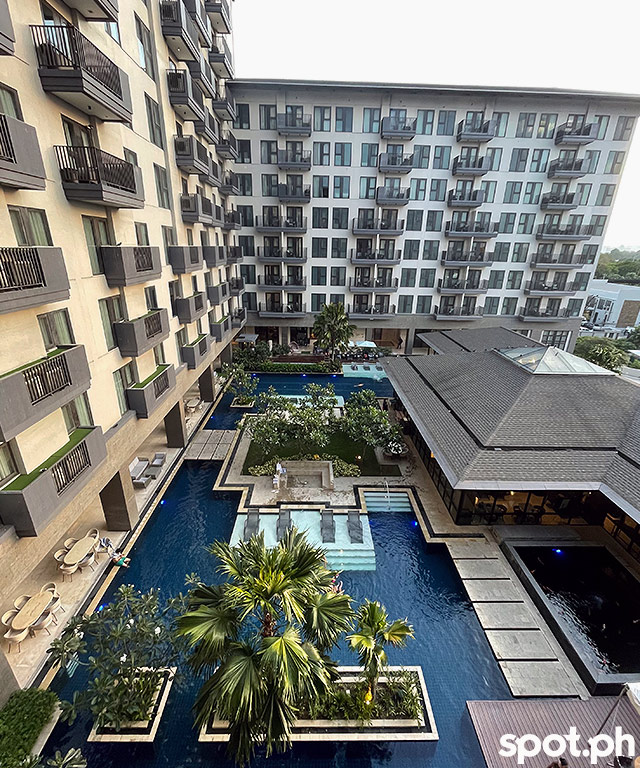
If you’re staying in Davao, we suggest you stay in the eastern Davao area because this is where the new establishments are. You can book with dusitD2 Davao, Seda Abreeza, or Park Inn by Radisson Davao. For Cagayan de Oro, downtown CDO is a nice place to be because this is where the most action is. You can stay in Seda Centrio or Limketkai Luxe Hotel.
What to bring home from Mindanao:
When you visit Mindanao, your family back home is also in for a treat because there are several tasty delicacies and fresh fruits that you can buy as pasalubong from the region. Things to bring home from Davao are its popular fruits, such as pomelo and durian. For Cagayan de Oro, make sure to order Vjandep’s Pastel, which are buns with the original yema filling, and Bestfriend Goodies’ Pastillas de Leche. Camiguin is known for its harvest of the best lanzones in the country. Surigao has sayongsong, a cone-shaped kakanin wrapped in banana leaves with the same consistency as the puto. In contrast, Zamboanga has lokot-lokot, a delicacy made of rice flour mixed with sugar. Iligan, meanwhile, is famous for its export quality Cheding’s peanuts.