

(SPOT.ph) Few cuisines have more of a chokehold on the local food scene than Japanese—and that can be evidenced by 1) the fact that even the most pickiest of eaters among your titas will acquiesce to lunch at a ramen place and 2) the sheer number of establishments we have focusing on ultra-specific Japanese dishes, from takoyaki and okonomiyaki to tempura and katsu to ramen and tsukemen to hotpot and curry to sushi and sashimi.
It’s a lot—and it isn’t even all the Japanese food that exists! But if you’re a city-dweller looking to sample and explore great eats from the Land of the Rising Sun, stick around: this guide will take you through the best (and most accessible) Japanese dishes and restaurants you’ll find in Metro Manila.
Also read:
The SPOT.ph Guide to Chinese Food
The SPOT.ph Guide to Pizza
The Origins of Japanese Food
There are three things you need to know about Japan to get a feel for its food: 1) it’s an archipelago, 2) most of its land is mountainous and used for growing rice, and 3) it isolated itself from the world for a very long time.
Because of this, your most basic of basic Japanese meals—even today—is a bowl of rice or noodles, soup (usually miso), and a viand. Traditionally, that viand would be seafood or something very seasonal or locally-produced. Each region has its own specialties and takes on dishes—hence the special emphasis on, for example, whether your favorite ramen chain is from Hakata, Hokkaido, or Tokyo.
Since Japan opened up to the world in the Meiji era (the late 1800s), certain dishes have taken over the entire archipelago due to foreign influences birthing wonders like tempura (did you know this dish has Portuguese roots?), Japanese curry, and tonkatsu.
Japanese Food in Pop Culture
The Japanese take food extremely seriously—and a lot of restaurants, be it a ramen chain or a katsu shop, are born from families perfecting a specific dish for an entire lifetime. While Japan doesn’t have the mukbang food porn scenes omnipresent in K-Dramas, it’s a real passion that’s sparked an entire genre of cravings-inducing, don’t-watch-hungry series that have plots that completely revolve around food (hello, Midnight Diner and Food Wars!).
But even beyond these food-centric shows, don’t be surprised when you find yourself getting hit by insane craving watching your favorite anime films (did anyone else feel personally attacked by the potato chip fried rice in Weathering With You?) or even childhood favorites like Card Captor Sakura.
Japanese Food Traditions and Etiquette
If you’re headed out to a Japanese restaurant, it’s best to practice using chopsticks, if you aren’t already comfortable with them. Most Japanese dishes are meant to be eaten with a pair of chopsticks (fun fact: Japanese chopsticks are different from the Chinese and Korean ones)—the exception being soups and rice dishes that aren't served in a bowl (think omurice and Japanese curry). If you’re dining at a restaurant actually owned by a Japanese person, we’d recommend you avoid rubbing your chopsticks together, or stabbing them into the food or rice—these are considered rude!
And if you’re struggling with them, here’s a pro tip: try lifting your rice bowl closer to your mouth instead of letting your chopsticks do all the work—it stops you scattering rice everywhere!
Side Dishes
Miso Soup
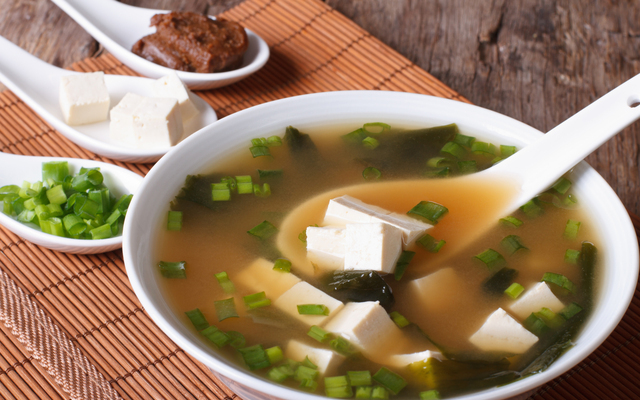
Want to gauge how legit a Japanese restaurant is? See how seriously they take their miso soup—it’s the soul of many Japanese meals. Good miso soup isn’t just fermented soybean taste: it’s an umami bomb made with a versatile cast of complementing ingredients ranging anywhere from your usual seaweed and tofu to heartier options like mushrooms, clams, and pork.
Miso soup is most often served with any meal with a mostly-plain bowl of rice—be it grilled mackerel or tempura. When you’re ordering katsu, however, you can also expect a mountain of shredded cabbage and some dressing alongside it!
Tsukemono and Sauce
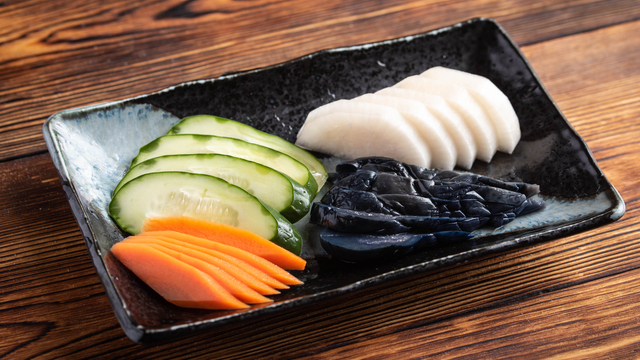
Japanese cuisine embraces balance, making sure that everything on your plate is complemented by something else. For extra-fresh sushi and sashimi, there is the ever-present soy sauce and wasabi, as well as shredded daikon radish. Tempura is always accompanied by a sweet-rich mirin and soy sauce. Everything else—from Japanese curry to grilled fish—gets tsukemono, otherwise known as Japanese pickles.
Japanese pickles come in many shapes, colors, and vegetables. The most common include gari (those thin slivers of pinkish ginger often served as a palate-cleanser for sushi and fried rice), takuan (those bright yellow, circular slices of radish that give bentos a citrusy element), and beni shoga (those bright red strips of ginger used to give tonkotsu ramen, Japanese curry, and okonomiyaki a nice zing). There are many more you might have encountered—and each has its own place on a plate!
Main Courses
Japanese Curry
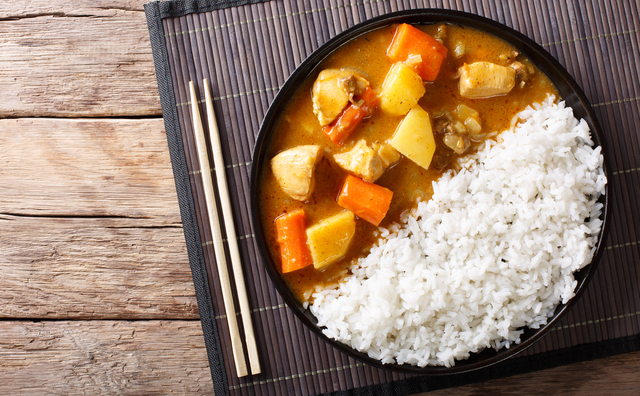
As you might have guessed, curry is not something that the Japanese came up with on their own—this dish was first introduced to the country in the Meiji era by Anglo-Indian officers of the British Royal Navy. And though the Japanese first classified as Western food, it slowly transformed into a different beast of its own and has become the ultimate comfort dish for many households. And with its mellow, sweeter flavors from its simpler base of curry powder—along with a hearty helping of carrots, potatoes, and onions—how could it not?
You can have a glorious plate of Japanese curry with sukiyaki beef slices, golden-brown katsu, hamburger steaks, and more—and while a curry house like Coco Ichibanya would have these options, it also makes the case for Curry Rice on its own already being peak comfort food.
Katsu

When the Europeans rolled into town in the Meiji era, Tokyo-based restaurant Rengatei wanted to offer a Western-style meat cutlet dish—what they invented was katsu, which is arguably better than any kind of cutlet you’ll find anywhere else. It isn’t, after all, your usual fried pork chop: Katsu is all about a flaky, crunchy golden-brown crust and juicy, tender meat within, in between bites of pillowy soft rice and a zingy pickle or sauce. Are you hungry yet?
When we talk of katsu, the default will always be tonkatsu or pork cutlet, often served with rice and cabbage—and that’s something you’ll see in katsu joints like Yabu, Saboten, and Maisen. But these days, katsu can be made with chicken and beef, and be served in Japanese curry, sandwiches called katsu sando, and of course katsudon. And fun fact: “katsu” sounds a lot like the Japanese word for “to win”—so it’s tradition among many Japanese to have this before exams, interviews, or games for good luck!
Ramen, Soba, Tsukemen, Udon

We’ve talked a lot about rice, but Japan isn’t Japan without its noodles—in fact, we already have a Spot.ph Guide to Ramen, Soba, and Udon. Among these dishes, ramen is king, and is the easiest to find in its many forms and soup bases across Metro Manila at ramen places with cult followings like Mendokoro Ramenba, Ippudo, . Set apart by its thin and firm noodles, ramen is categorized by its soup base. Most common are those named after what they’re flavored with: shio (salt), shoyu (soy sauce), miso (soybean paste), and tonkotsu (pork bone).
The world of Japanese cuisine, however, doesn’t end with ramen. Restaurants like Mitsuyado Sei-Men also champion its cousin tsukemen, which is essentially ramen noodles you first dip into a separate dipping broth (usually heavier and saltier than the usual soup) before biting into. If you’re more into a thicc, chewy noodle, then you may prefer a bowl of udon in rich beef soup, the way Marugame Udon would serve it up. If you’d prefer something lighter, or even served cold, some soba (noodles made of buckwheat) could be for you—Nadai Fujisoba is completely focused on the art of making a mean bowl of soba, but you’ll find good takes in many Japanese restaurants!
Okonomiyaki
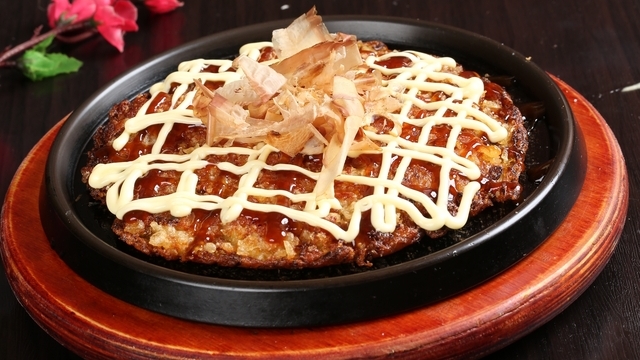
Many people translate okonomiyaki to mean “pancake,” but it’s actually much closer to a pizza. While it is indeed batter cooked on a griddle, it’s all about what you add to it: in most cases, all the good stuff like bacon, shrimp, octopus, and cabbage, topped with a heap of bonito flakes and spring onions.
Though okonomiyaki is served (and cooked in front of customers) all over Japan, two versions of it reign supreme: Osaka-style and Hiroshima-style. The one most will be familiar with is the former (which is exactly as we described just now), but if you want to get in on the heated debate on which is better, search for the latter. If you thought your normal okonomiyaki was a huge meal, imagine this: the Hiroshima style involves your batter being cooked like a thin crepe. Your ingredients, all cooked separately, are stacked onto this thin crepe. And then you take all of that and serve it on top of yakisoba noodles. We hope you’re ready for your food coma.
Sushi and Sashimi
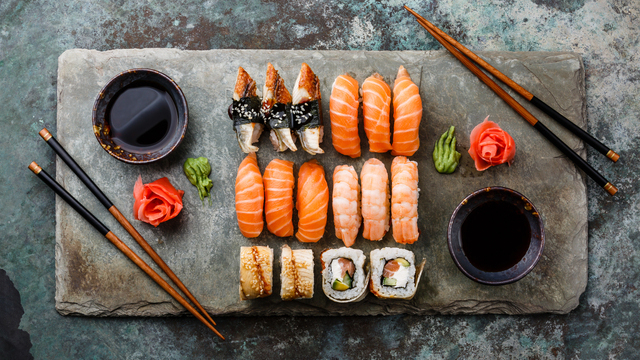
Served everywhere from ramen shops to secret Japanese restaurants, sushi and sashimi are some of the best examples of how Japanese cuisine emphasizes skill (some sushi chefs train for years) and freshness—though you’ll be surprised to hear that early forms of sushi were all about salting and fermentation!
Sushi and sashimi are similar in the sense that they both involve raw seafood—usually fish like maguro (tuna), shake (salmon), and saba (mackerel), but extending all the way to the more exotic like uni (sea urchin) and ikura (salmon roe). Where they differ is that sashimi is just the seafood itself, served with soy sauce and wasabi—meanwhile, sushi always involves rice prepared with vinegar, sugar, and salt.
Sushi comes in many different forms, but the ones you’re most likely to come across are nigiri, where raw fish is molded onto the vinegared rice; maki, where your rice and fish are rolled inside a thin layer of nori seaweed; uramaki, similar to maki except the rice forms the outer layer; and temaki where everything is rolled into a cone shape. If you’re looking for something heftier, you also have the option of having it chirashi or “scattered” style, where your fish is served on top of the rice in a bowl.
Tempura
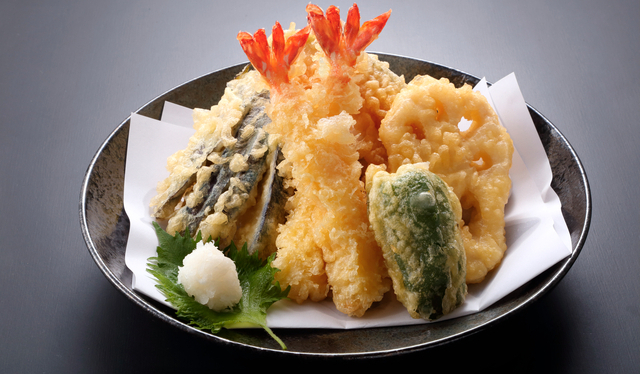
Anything fried-til-golden is the stuff of dreams, but tempura is a different beast altogether. Strictly speaking, it’s seafood or vegetables that are lightly battered and then deep fried, but the magic really happens in the coating, which comes out crispy and light. The historical OG of tempura (think: the Edo period) uses prawns, which is why it’s the pride and glory of many tempura spots like Tenya, Tendon Kohaku, and Ebi10. But you’ll find that places can and will cook everything from fish and chicken to eggplant, squash, and okra tempura-style.
Served traditionally, shrimp or not, tempura will be served with a bowl of rice, some pickles, and a dipping sauce called tentsuyu, which is made of soy sauce, sugar, mirin (a kind of rice wine), and dashi (think Knorr cubes, except fish-based, in powder form, and on steroids). Masters who play by their own rules, however, may serve tempura up in a bowl over rice and drizzle their own secret sauce over it all!
Yakitori
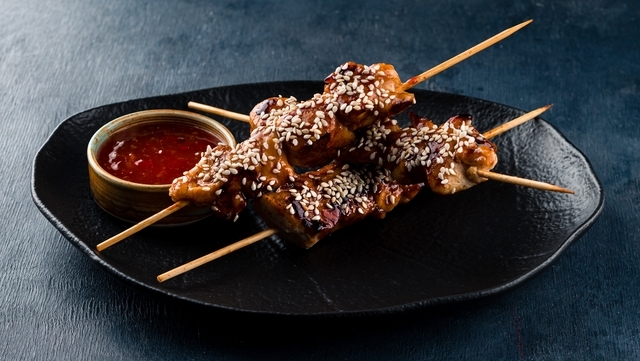
Every country in the world has its own style of barbecue on a stick—in Japan, this is called yakitori. Directly translating to “grilled chicken,” yakitori is chicken that’s skewered, seasoned with salt and pepper or a sweet soy-mirin glaze, and then grilled over charcoal.
The emphasis here is simplicity and making full use of the chicken. While the most famous and common type of yakitori is negima, where slices of chicken are skewered together with pieces of green onions, the Japanese use different parts of chicken for tsukune (meatballs), nankotsu (cartilage), tebasaki (wings), bonjiri (tails), kawa (skin), kimo (liver), hatsu (heart), sunagimo (gizzards), and more! Many Japanese restaurants in Japan and Metro Manila that serve yakitori don’t stop at chicken, though. You’ll often find a selection of other grilled treats on a skewer, like shiitake mushrooms, asparagus wrapped in bacon, and enoki mushrooms wrapped in thinly-sliced pork!
Popular Japanese Food Places in Metro Manila
Mendokoro Ramenba

There’s stiff competition between ramen joints in Metro Manila, with everyone battling to be the one that reigns supreme—but if you’re looking for a serious, no-frills, punch-you-in-the-face-it’s-good bowl, consider Mendokoro Ramenba—which has a staff trained by Koji Tashiro, the son of “Ramen God” Yamagashi Kazuo. The younger, trimmed-down sibling of OG ramen spot Yushoken in Molito, one of Mendokoro’s claims to fame is its full ramen bar concept, which allows you to watch your swoon-worthy Shoyu Tonkotsu Ramen (P460) and Gyoza (P140/3 pieces, P230/5 pieces) being made in front of you. The counter-only seating has resulted in something else Mendokoro is known for: a queue snaking around outside the restaurant!
Mendokoro Ramenba has branches at G/F V Corporate Centre Building, Soliman St, Salcedo Village, Makati; Molito Commercial Complex, Alabang, Muntinlupa; and G/F Icon Plaza, 26th Street corner 6th Avenue, Bonifacio Global City, Taguig. For more information, visit the Nippon Hasha website.
Botejyu
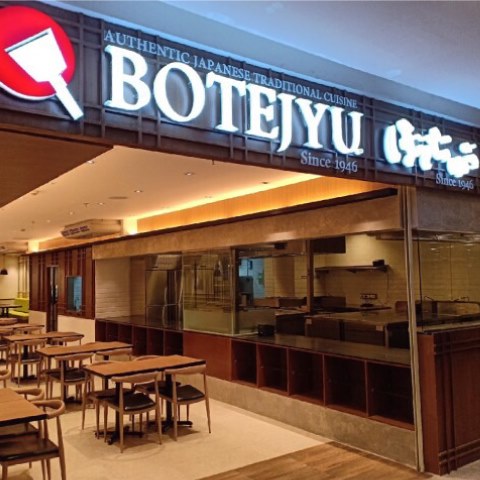
Hailing from Osaka, Botejyu dove into the Metro Manila scene with the intention of spreading the good word of hearty Kansai okonomiyaki, something they’ve been making for over 70 years. Come for their Premium Mix Moonlight Okonomiyaki (P544.50) made with beef, pork belly, shrimp, squid, and topped with a fried egg, bonito flakes, and their special mayonnaise—but don’t forget to try their All Star Takoyaki (P280.50) and Pork Belly Okosoba (P412.50), the dish of thick yakisoba noodles and cabbage sandwiched between batter and egg. Did we mention their menu is 20 pages long?
See a list of Botejyu branches. For more information, check out Botejyu’s website.
Marugame Udon

Even years after it first opened in Metro Manila, it’s still easy to spot a Marugame Udon by the lunchtime rush line snaking outside the restaurant—rightfully so, with its hunger-busting udon noodles and its overall wallet-friendliness. Smash hits like its bold, meaty Beef Ontama Bukkake Udon (P210/Regular, P260/Large) wand Curry Udon (P170/Regular, P220/Large) wiill keep you coming back—while the freshly-fried treats like Gyoza (P105/3 pieces) and Chicken Karaage (P60) that you can pick right out of the self-service counter in each branch will keep you eating for much longer. Did we mention they also deliver?
For more information and a list of branches, visit the Marugame Udon Philippines Facebook page.
Izakaya Kikufuji
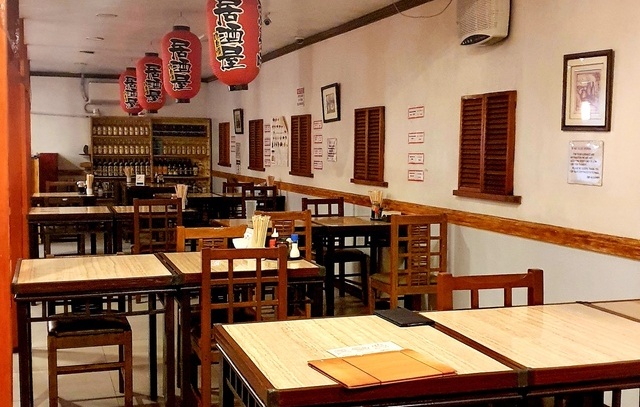
This is the one restaurant on this list that doesn’t really need an introduction. Arguably the face of Little Tokyo in Makati, the cozy, no-fail Izakaya Kikufuji has been satisfying Japanese cravings in Metro Manila (at a reasonable price!) since 1995. And it’s one place where nearly everyone has that one special dish they order every single time: it could be their heaping serving of Spicy Tuna (P380), homey savory-sweet Gyudon (P300), eat-the-tail-worthy Shrimp Tempura (P240), or ultra-fresh selection of sushi on their Chirashi Don Nami (P568)—regardless, you will come out happier (and maybe a little heavier) than when you came in.
Izakaya Kikufuji is at Little Tokyo, 2277 Chino Roces Avenue, Makati. For more information, visit Izakaya Kikufuji’s Facebook page.
Curry House Coco Ichibanya
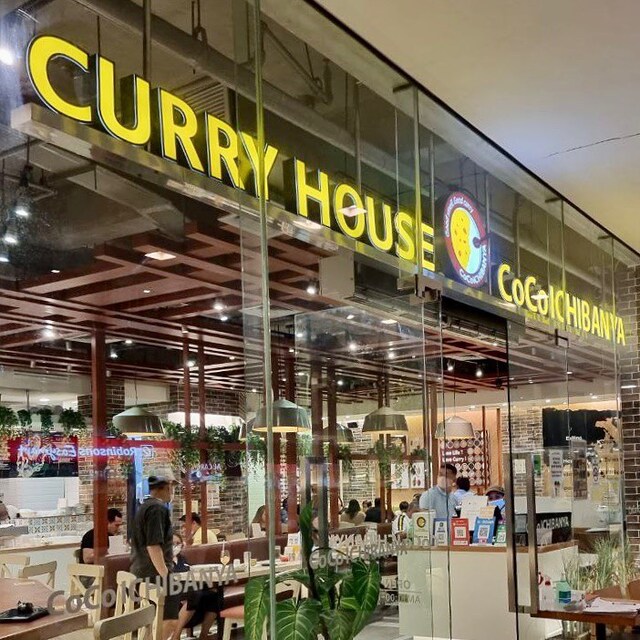
Japanese curry is a menu item familiar to many, but it’s rare to find a place that’s been perfecting the art of a perfect, comforting bowl of it for over four decades. Curry House Coco Ichibanya (also known as Coco Curry or just Coco Ichibanya) explores every element that makes up your ideal bowl of curry—they let you select your heat level, choose nearly every type of protein or vegetable under the sun, and even pick between naan bread, white rice, and multigrain rice. But if the burden of choice gets too much, you won’t go wrong with the Chicken Cutlet Curry (P418) and Sliced Beef Curry(P363).
For more information and a list of branches, check out Coco Ichibanya Philippines’ Facebook page.
Nihonbashi Tei
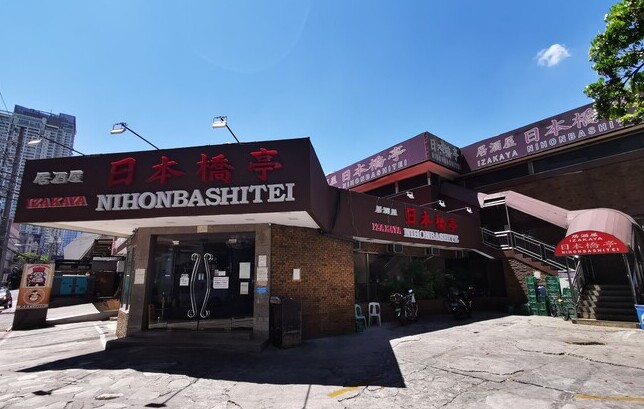
One of the older izakayas in town (with the distinction of bravely setting camp away from Little Tokyo), Nihonbashi Tei has its own cult following of sushi lovers, ramen and soba aficionados, and tempura addicts. It’s a place that does practically everything well, and there’s something for everyone here—so heads up that you’ll find it bustling around the clock. If it’s your first time, and you’re overwhelmed by the 30-page menu, we recommend starting with their delicately crispy Shrimp Tempura (P380), their flavorful Curry Soba (P250), and their Shio Niku Yakitori (P55/piece).
Nihonbashi Tei is at 1030 Arnaiz Avenue, Makati City; and 483 Pedro Gil Street, Manila. For more information, visit the Nihonbashi Tei Facebook page.
Ebi 10

Your classic tempura should be light and crispy, and Ebi 10 takes it a step further by cooking up a crackle of batter and delicate shrimp that borders on airy—which is why they consistently make it onto our list of Top 10 Ebi Tempura in Manila. If you want to put this to the test, order their Jumbo Shrimp (P170/1 piece). But if you’re already there, don’t be shy: why don’t you go try their shrimp, fish, and vegetable tempura all at once on their Tempuradon (P365)? And if you’ve got room for more, the heaping tower of rolled rice, torched salmon, kani, and ebi they call Volcano Roll (P540) is also sure to send you home with a happy tummy.
Ebi10 has branches at Unit D 5666 Don Pedro Street, Poblacion, Makati; One Bonifacio High Street Park, 5th Avenue, Bonifacio Global City; and Tower One, One Eastwood Avenue, Bagumbayan, Quezon City. For more information, visit the Ebi10 website.
Kazunori

Tucked next to a Mazda dealership (yes, really), cafe-slash-restaurant-slash sushi bar Kazunori can be difficult to spot. But that won’t stop anyone out to experience a real omakase, or a meal entirely of dishes chosen by the chef—and you know you’re in good hands, as these are the same folks who brought you Yushoken and Mendokoro Ramenba. The sushi bar offers a diverse range of sushi and sashimi, prepared ultra-fresh from seafood flown in straight from the Land of the Rising Sun—and you’ll taste it in every bite of the Bara Chirashi Don (P1,050). If you’d prefer something heftier, Kazunori’s still got you: try the Gyudon (P1,000), which serves up ultra-tender Wagyu short plate beef and a delicately poached egg with rice.
Kazunori is at 2301 Chino Roces Avenue Extension, Makati. For more information, visit the Kazunori Facebook page.
Mitsuyado Sei-men

If you want to feel like you’ve been transported into a Hayao Miyazaki film, make plans at Mitsuyado Seimen House of Tsukemen, which has all of its branches fashioned after a Showa-era side street in Japan. The food, addicting and comforting all at once, completes the experience—many will (rightfully) be excited about the Double Cheese Tsukemen (P370/Small, P390/Medium, P420/Large), where you can pour a Parmesan cheese sauce over the perfectly chewy noodles before dipping them into the thick, zesty yuzu tonkotsu sauce. You also won’t go wrong with the umami bomb that is their Tonkotsu Shoyu Ramen (P250/Small, P290/Medium, P330/Large).
For more information and a list of branches, check out the Mitsuyado Sei-men Facebook page.
Tsukiji
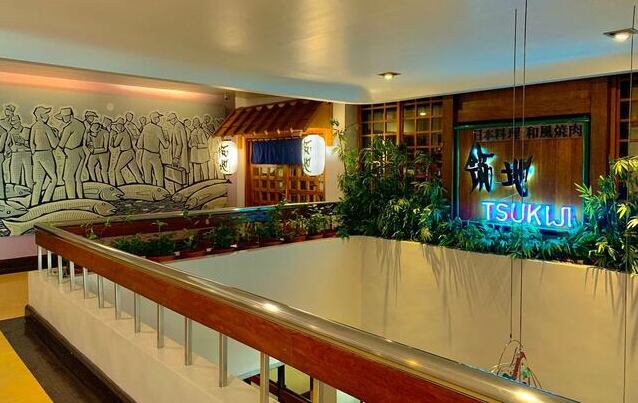
If you are out to treat yo’ self to some of the freshest sushi and sashimi you can get your chopsticks on, many—from business executives to families and couples—will point you in the direction of Tsukiji. Since the restaurant opened in 1989, Chef Toshiro Okajima has only used fish that’s been flown in directly from the famed fish market the restaurant is named after, meaning you can guarantee that every bite of tuna, salmon, hamachi, and more is bursting with fresh flavor and tenderness. For variety, try their Daimyo Chirashi Sushi (P1,800), which gets you perfect slices of tuna, octopus, squid, hamachi, ikura, kani, and mackerel on a bed of soft, flavorful rice. But if it’s a truly special occasion and you’re busting out the big guns for friends and family, order a special sushi boat with all the bells and whistles!
Tsukiji is at 3/F Milky Way Building, 900 Arnaiz Avenue corner Paseo de Roxas, Makati City. For more information, check out Tsukiji’s website.
Yabu

In the arena of crispy, deep-fried tonkatsu, Yabu is a legend—in fact, it’s been the reigning champion of our Top 10 Tonkatsu in Metro Manila two times consecutively. The Japanese restaurant that debatably started the katsu craze has been around since 2011, and the crunch of its golden panko crust has never wavered, the pork has never come up anything less than juicy, and the refillable cabbage, miso soup, and rice with every meal has never gotten easier to say no to. If you need a demonstration, you need only order its classic Katsu set with thick and juicy Rosu (P355/80g, P390/120g, P445/180g) or the Hire Special Katsudon (P415) that uses pork tenderloin.
For more information and a full list of branches, check out Yabu’s Facebook page.
Kiwami Food Hall

If you’re craving different kinds of Japanese food all at once, the stylish Kiwami Food Hall is a no-fail choice that brings together some of the best and most popular names in Japanese eats under one roof. Exclusive to the food hall are Hakata-style yakitori specialist Hachibei (the Sukiyaki Spinach Enoki (P270) is a must-try) andJapanese institution and tempura master Hannosuke, where you can grab a fully-loaded Premium Tendon Set (P685) with fried squid, eel, squid-scallop kakiage, eggplant, sweet potato, and onsen egg. But it doesn’t end there: you’ll find other Standard Group crowd favorites like popular ramen haunt Ippudo and our favorite katsu spot Yabu.
Kiwami Food Hall is at L/GF C3 Bonifacio High Street Central, Bonifacio Global City. For more information, check out Kiwami Japanese Food Hall's Facebook page.
Hey, Spotters! Check us out on Viber to join our Community and subscribe to our Chatbot.